Sodium Sulfate Anhydrous is more than just a versatile industrial chemical; its market demand is a powerful indicator of broader global trends. For procurement managers, product formulators, and industry leaders, understanding the macro-forces that shape the demand for this essential salt is crucial for maintaining a competitive edge. In the complex world of industrial raw materials, success is not just defined by the quality of the product in your warehouse today, but by your ability to anticipate the needs of tomorrow.
As a leading and reliable producer of this vital inorganic salt, we are constantly analyzing the global landscape to provide our partners with forward-looking insights. This article delves into three powerful, interconnected global trends that are fueling the sustained and growing demand for high-purity Na₂SO₄. By understanding these trends, you can make more strategic sourcing decisions and future-proof your supply chain.
Trend 1: The Rise of Green Chemistry & Sustainable Consumer Goods
The global push towards sustainability is no longer a niche movement; it’s a fundamental driver of innovation and consumer preference. Regulatory pressures and a shift in consumer consciousness are compelling manufacturers across industries to reformulate their products for a smaller environmental footprint. This is where anhydrous sodium sulfate finds a powerful and expanding role.
The Shift to Concentrated Detergents
One of the most significant changes in the consumer goods sector is the move towards concentrated liquid and powder detergents. This shift aims to reduce water usage, minimize packaging waste, and lower transportation emissions. In these high-density formulations, this versatile powder is an indispensable component.

It acts as a highly effective filler and flow aid, preventing the concentrated powder particles from caking and ensuring they remain free-flowing for accurate dosing during manufacturing and by the end-user. Furthermore, it aids in the efficient dispersion of the detergent in water, guaranteeing optimal cleaning performance. Crucially, it achieves this while being non-toxic, readily biodegradable, and environmentally benign, making it the perfect ally for brands building a green identity.
A Safer Alternative in Industrial Processes
Beyond detergents, the principles of green chemistry are encouraging industries to seek safer alternatives to harsher chemicals. Disodium sulfate, with its low toxicity and mild nature, is increasingly being evaluated as a replacement for more problematic salts and processing aids in various applications, from textile manufacturing to pulp processing. This trend positions it not just as a traditional ingredient, but as a forward-thinking, sustainable choice.
For businesses, this means that sourcing consistent, high-purity material is no longer just a cost decision—it’s a core component of a credible sustainability strategy.
Trend 2: Infrastructure & Manufacturing Growth in Emerging Markets
The economic transformation of emerging markets across Asia, Africa, and South America is a powerful engine of global industrial growth. Rapid urbanization, rising disposable incomes, and massive investments in infrastructure are directly driving demand for fundamental building blocks of modern society, including glass and textiles—two industries heavily reliant on this key industrial chemical.
The Glass Manufacturing Boom
The construction boom requires vast quantities of flat glass for windows and facades. The automotive industry’s growth demands glass for vehicles. The consumer goods sector needs container glass for packaging. This trifecta of demand ensures a robust market for glass, and dried sodium sulfate is vital in its production.
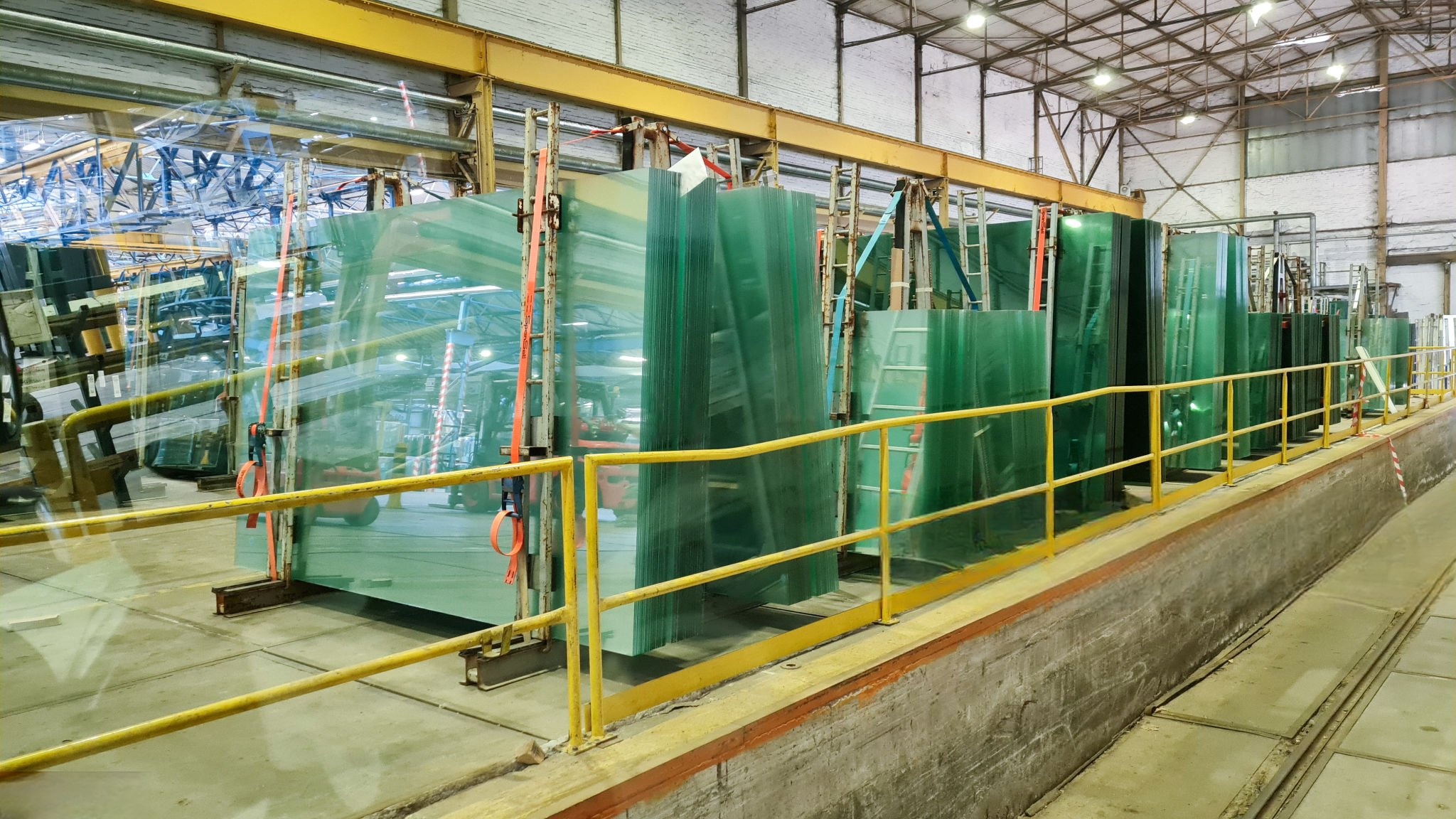
In the glass melting furnace, it serves as a primary fining agent. It helps eliminate tiny, trapped air bubbles from the molten glass batch, resulting in a final product that is clear, strong, and free of defects. The quality of the fining agent directly impacts the quality of the glass, making the consistency and purity of the sodium sulphate a critical factor for glass manufacturers aiming for high yields and premium products.
Textile Industry Expansion
As global textile manufacturing continues to expand, particularly in South and Southeast Asia, the demand for efficient and high-quality dyeing processes grows in tandem. The compound plays a pivotal role as a leveling agent in the dyeing of cellulose-based fibers like cotton.
It promotes a more uniform and rapid uptake of dye molecules by the fabric, which results in vibrant, consistent colors with reduced dye waste. This not only enhances the quality of the final textile product but also improves the cost-efficiency and environmental profile of the dyeing process itself.

For global businesses, a supplier of this anhydrous material with a reliable supply chain and a strategic understanding of these growth markets is an invaluable partner for securing stable access to this essential raw material.
Trend 3: The Circular Economy & Lithium-Ion Battery Recycling
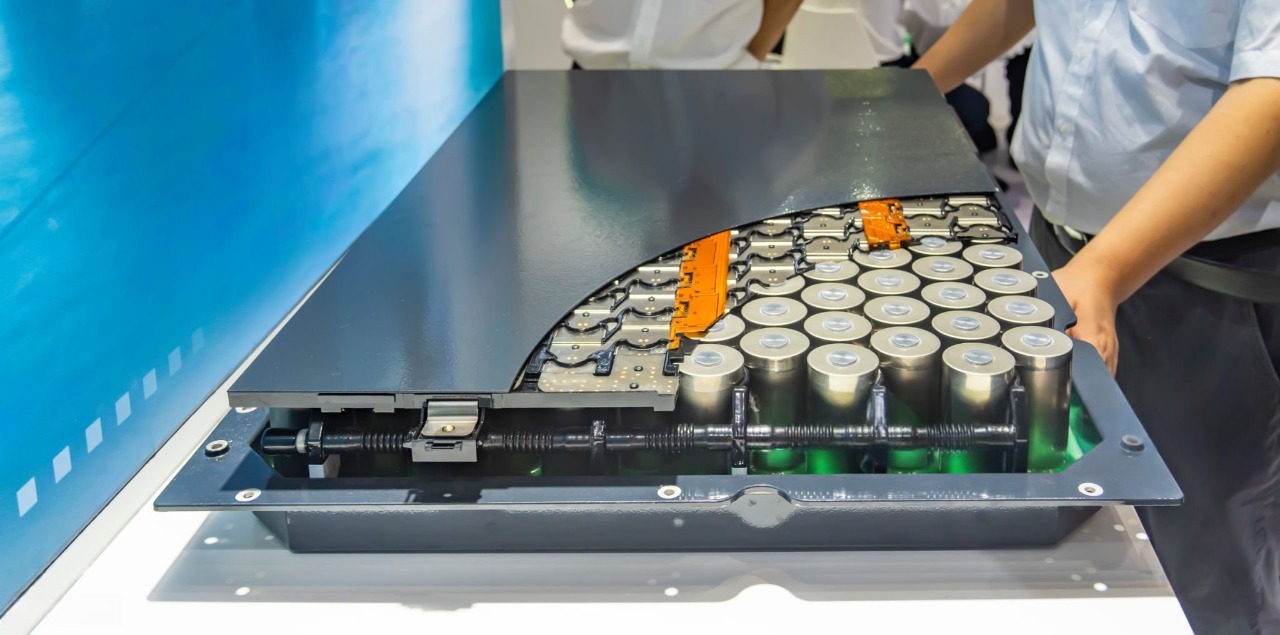
Perhaps the most forward-looking trend is the global transition towards a circular economy, where waste is minimized, and materials are continuously repurposed. The explosive growth of electric vehicles (EVs) and consumer electronics has created an urgent need for sustainable lithium-ion battery recycling—an emerging field where the anhydrous form of sodium sulfate is showing significant promise.
A Role in Next-Generation Recycling
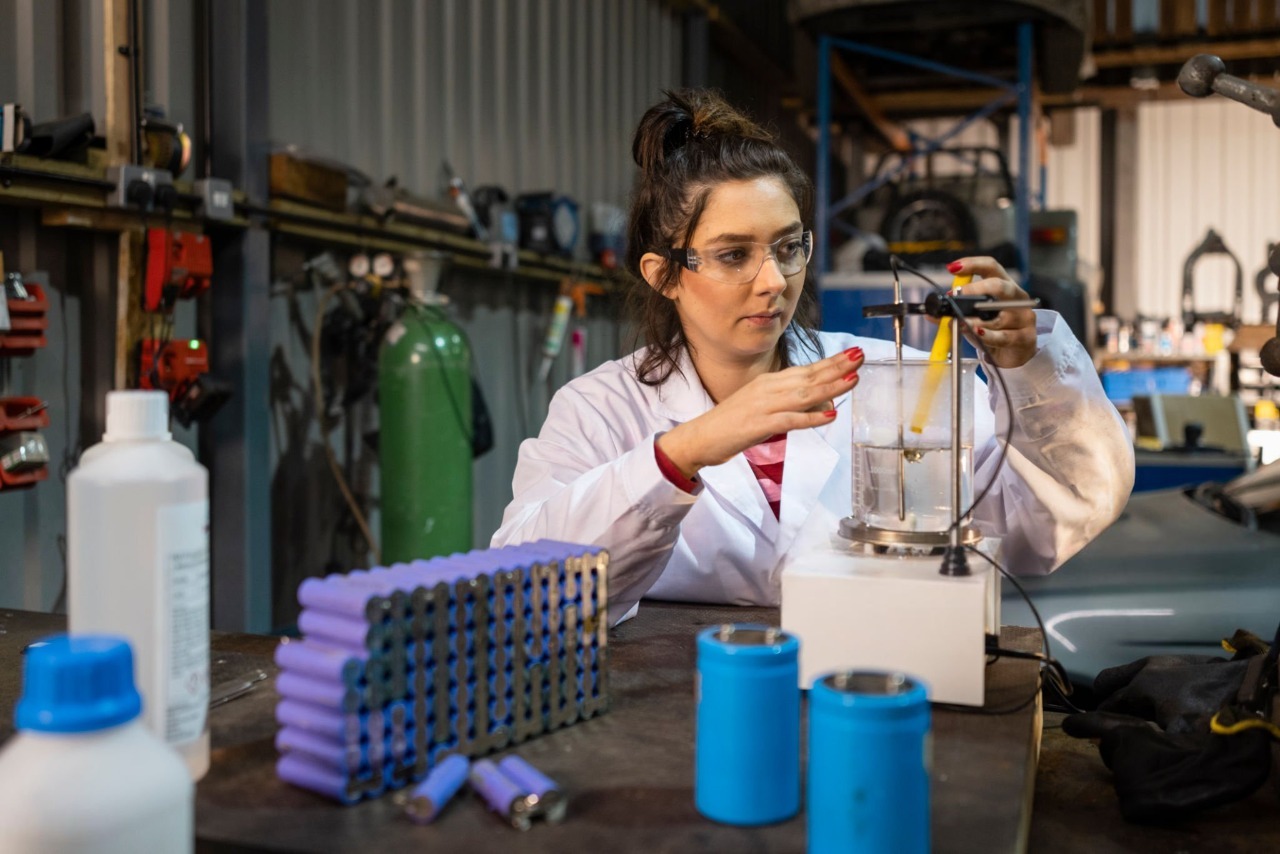
While the battery recycling industry is still maturing, several innovative hydrometallurgical processes are being developed to recover valuable metals like lithium, cobalt, and nickel. In some of these advanced recycling flowsheets, this chemical is being investigated for its utility in controlling process conditions and aiding in the precipitation or treatment of specific intermediate compounds.
Its chemical stability and relatively low cost make it an attractive option for optimizing these complex chemical separation processes. This represents a potential high-growth, high-tech application that could significantly expand the demand for the product beyond its traditional uses.
Preparing for a Sustainable Future
At our production facilities, we are actively monitoring these technological developments. We understand that the circular economy will demand chemical raw materials of exceptional and consistent purity to ensure the efficiency of sensitive recycling operations. We are committed to evolving our products and processes to meet these future requirements, positioning our high-purity anhydrous Na₂SO₄ as a key enabler for the sustainable technologies of tomorrow.
Conclusion: Partnering for a Future-Driven Supply Chain
The growing demand for Sodium Sulfate Anhydrous is not accidental; it is a direct response to powerful, long-term global shifts. The drive for sustainable consumer goods, the massive industrial growth in emerging markets, and the imperative to build a circular economy are not fleeting trends—they are the new realities of the global industrial landscape.
Understanding these dynamics is the first step. The next is to partner with a supplier who sees the same horizon. We are more than a manufacturer; we are a strategic partner invested in understanding these macro-trends to ensure we can support your business not only today but for the challenges and opportunities of the future.
Are these trends impacting your supply chain? Contact us today to discuss your specific needs and discover how our reliable, high-purity product can be a cornerstone of your future strategy.