
For formulators in the detergent industry, the quest for superior performance—be it in cold water, ultra-concentrates, or mild yet powerful products—begins long before the mixing tank. It starts at the molecular foundation: Linear Alkylbenzene (LAB). As the critical precursor to LAS, this surfactant feedstock is far from a generic commodity. Its specific molecular architecture sets the ultimate performance ceiling for your final product. Strategic alkylate selection is, therefore, a core formulation skill. This guide outlines how to choose the right material to overcome five key challenges in modern detergent development.
Why Feedstock Choice Matters: It’s in the Chain
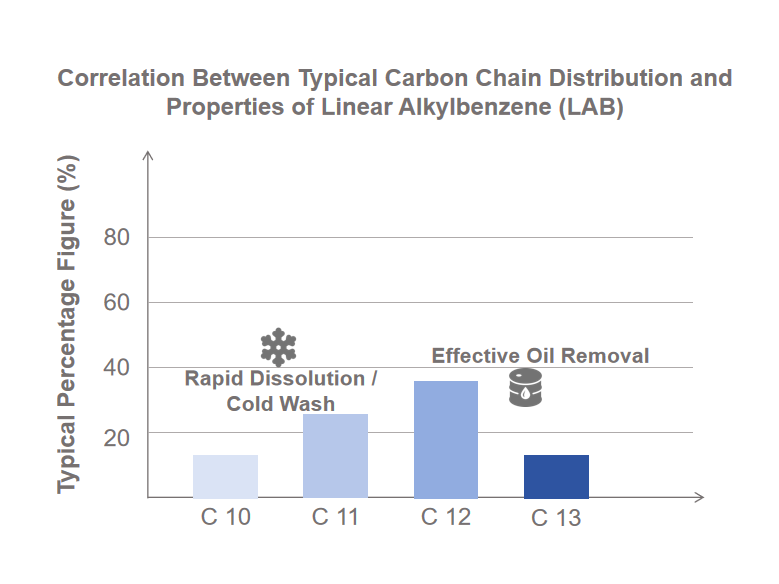
The efficacy of the final LAS is dictated by the precursor’s properties: carbon chain distribution (C10-C13), linearity, and purity. These parameters influence solubility, cleaning profile, mildness, and compatibility. Selecting your alkylate is not just procurement; it’s the first step in ingredient specification.
Challenge 1: Conquering Cold & Low-Temperature Wash
Core Requirement
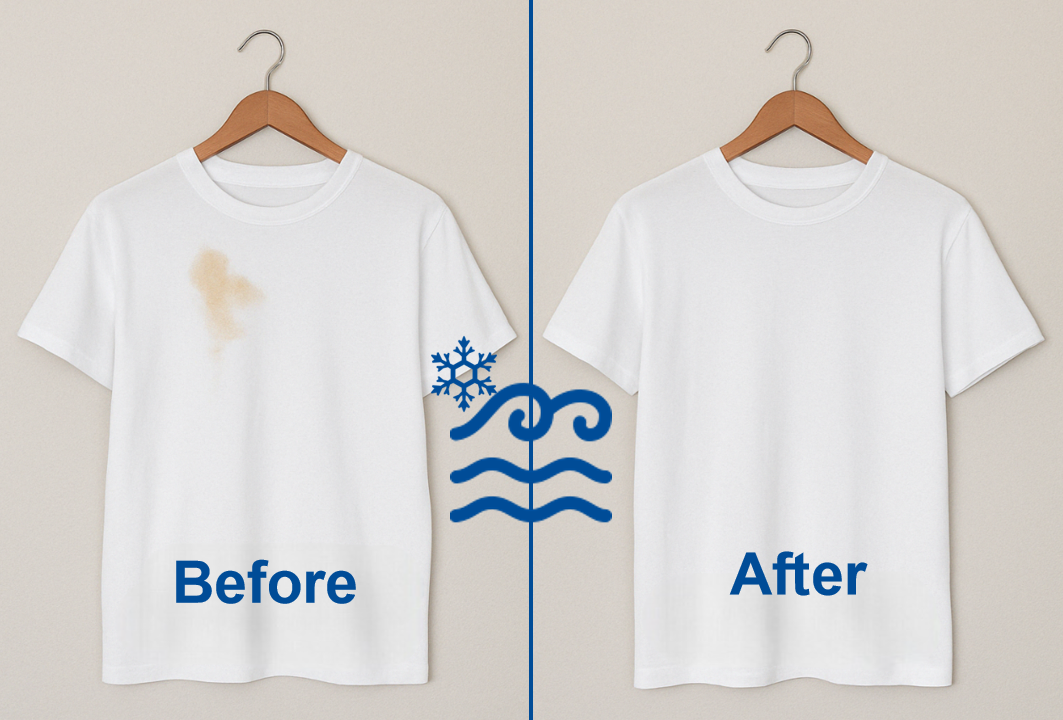
Enhanced cold-water solubility and performance retention.
Selection Strategy
Prioritize Shorter Chains: Seek a C10-C11 enriched alkylate. These shorter chains significantly improve the cold-water dissolution and clarity of the resulting sulfonate.
Demand High Purity: Impurities and branched structures can hinder solubility. A high-purity feedstock ensures the production of LAS with excellent low-temperature stability.
Ask for Data: Request technical dossiers showing the cold-water performance of LAS derived from different precursor grades.
Challenge 2: Building Stable Ultra-Concentrates
Core Requirement
Compatibility and stability in high-active, high-electrolyte systems.
Selection Strategy
Understand Rheology Needs: The carbon chain profile affects the rheological behavior in concentrates. Discuss your viscosity and flow goals with your supplier to match the ideal alkylate.
Value Consistency: Batch-to-batch uniformity in the feedstock’s composition is non-negotiable for predictable sulfonation and consistent performance.
Partner with Experts: A technical supplier can provide formulation insights to prevent common ultra-concentrate pitfalls.

Challenge 3: Balancing Power with Mildness
Core Requirement
A molecular foundation for low irritancy.
Selection Strategy
Insist on High Linearity: A linear alkylate (typically >96% linear) produces LAS that is inherently less irritating than versions from branched feedstocks.
Prefer Advanced Processes: Detergent alkylate produced via solid acid catalyst processes often yields superior linearity and purity.
Scrutinize the CoA: A comprehensive Certificate of Analysis detailing linearity and purity is your objective proof of quality.


Challenge 4: Tackling Hard Water & Complex Stains
Core Requirement
A balanced molecule for broad-spectrum cleaning.
Selection Strategy
Target the C12-C13 Sweet Spot: A feedstock rich in C12-C13 chains provides an optimal balance for a robust cleaning base.
Assess Synergy: Your supplier should demonstrate how their alkylate performs in systems with common builders and polymers.
Challenge 5: Enabling Sustainable Production & Packaging
Core Requirement
Predictable performance for efficient processing.

Selection Strategy
Choose Reliable Supply: Sustainable manufacturing hinges on feedstock consistency from a robust supply chain.
Support Design Innovation: A supplier that understands how alkylate choices affect final product flow can be a true partner in packaging innovation.

Conclusion: Make Feedstock Selection a Strategic Advantage
Forward-thinking brands treat Linear Alkylbenzene selection as a pivotal R&D decision. By mastering the specifications of this key precursor, you architect the potential of your detergent from the ground up.
As a leading manufacturer of high-purity LAB, we provide technical partnership and tailored alkylate solutions. Let’s build your next-generation detergent from the first molecule onward.
Ready to specify the right feedstock? Contact our technical sales team for personalized advice.