As a core raw material for the detergent industry, the excellent properties of Linear Alkylbenzene (LAB) are well-known. However, ensuring this critical chemical maintains its quality from the moment it arrives at your facility until it enters the production line—while guaranteeing the safety of your personnel and infrastructure—requires scientific and standardized LAB storage and handling procedures.
This comprehensive guide to chemical handling safety covers everything from receiving to usage, helping you optimize management and prevent potential issues.
Understanding the Physical and Chemical Properties of LAB

Before establishing storage protocols, it is essential to understand LAB’s inherent characteristics:
المظهر: A colorless or slightly yellow transparent liquid.
Density: Relative density approx. 0.85 – 0.87 (water = 1), meaning it is lighter than water.
Flash Point: > 100°C. It is classified as a combustible liquid. While it does not easily ignite at room temperature, it poses a fire risk when exposed to open flames or high heat.
Chemical Properties: Relatively stable, but it reacts vigorously with fuming sulfuric acid or sulfur trioxide (sulfonation).
Solubility: Insoluble in water.
Professional Storage Guidelines for LAB
Proper storage is the first line of defense in preserving LAB quality and preventing degradation.
Storage Environment
Location: Store in a cool, well-ventilated, and dry warehouse or dedicated tank farm, isolated from ignition sources and heat. Avoid direct sunlight. Outdoor tanks should have sun-shading insulation or a spray cooling system.
Temperature Control: Although LAB has a high flash point, prolonged exposure to high temperatures should be avoided to prevent oxidative discoloration or evaporation loss. In winter, monitor the LAB pour point to prevent it from becoming too viscous to pump easily.
Storage Containers
Tank Material: Carbon steel or stainless steel tanks are recommended. Ensure tanks are clean and dry. Never share tanks or pipelines with incompatible materials (e.g., strong acids, oxidizers).
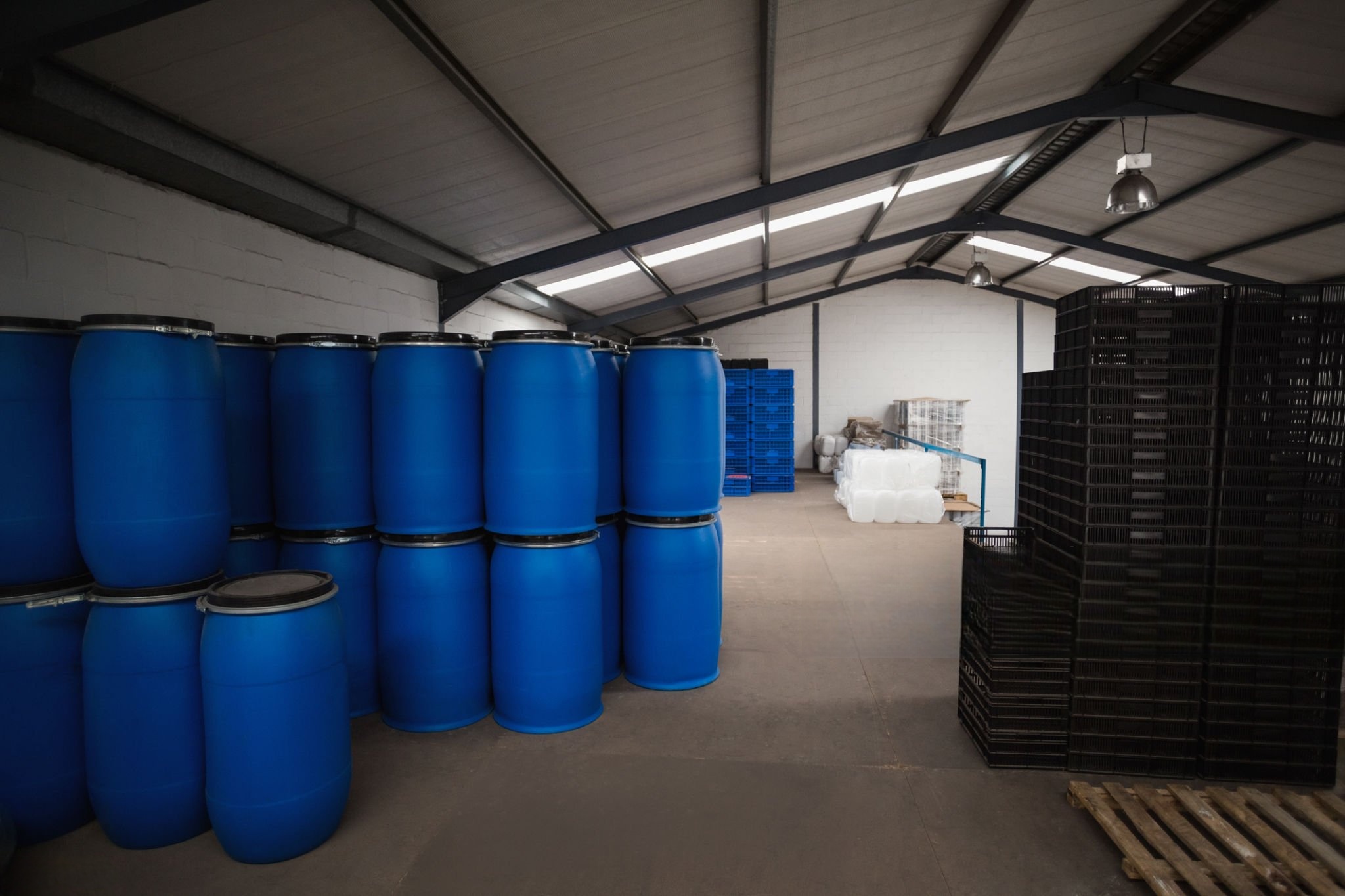
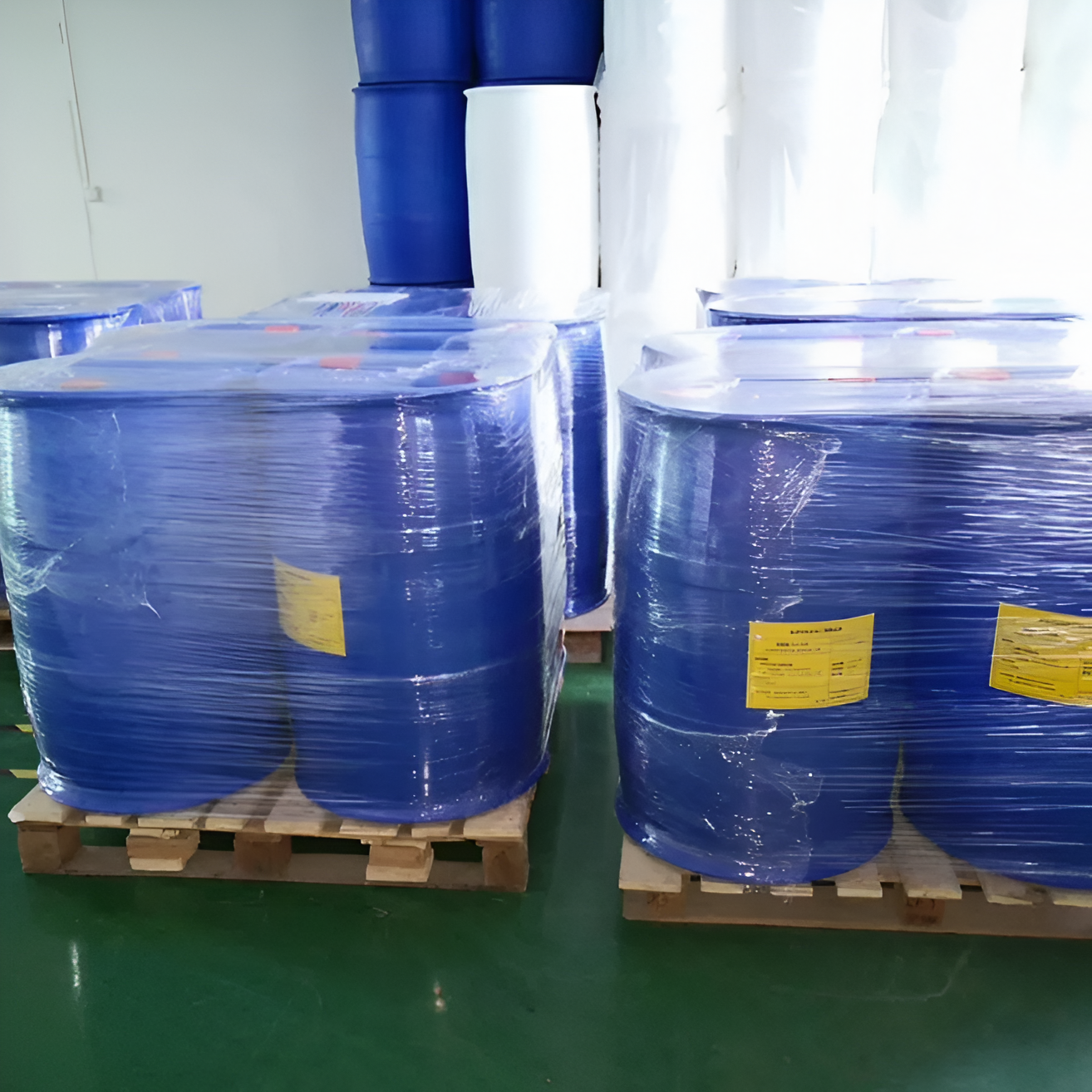
Drum Storage: For drummed LAB, use waterproof and oil-resistant labels. When stacking, ensure bungs are facing up. Stack heights must comply with safety regulations to prevent deformation and leakage. Equip the warehouse floor with spill containment dikes or pallets.
Key Protective Measure: Nitrogen Blanketing
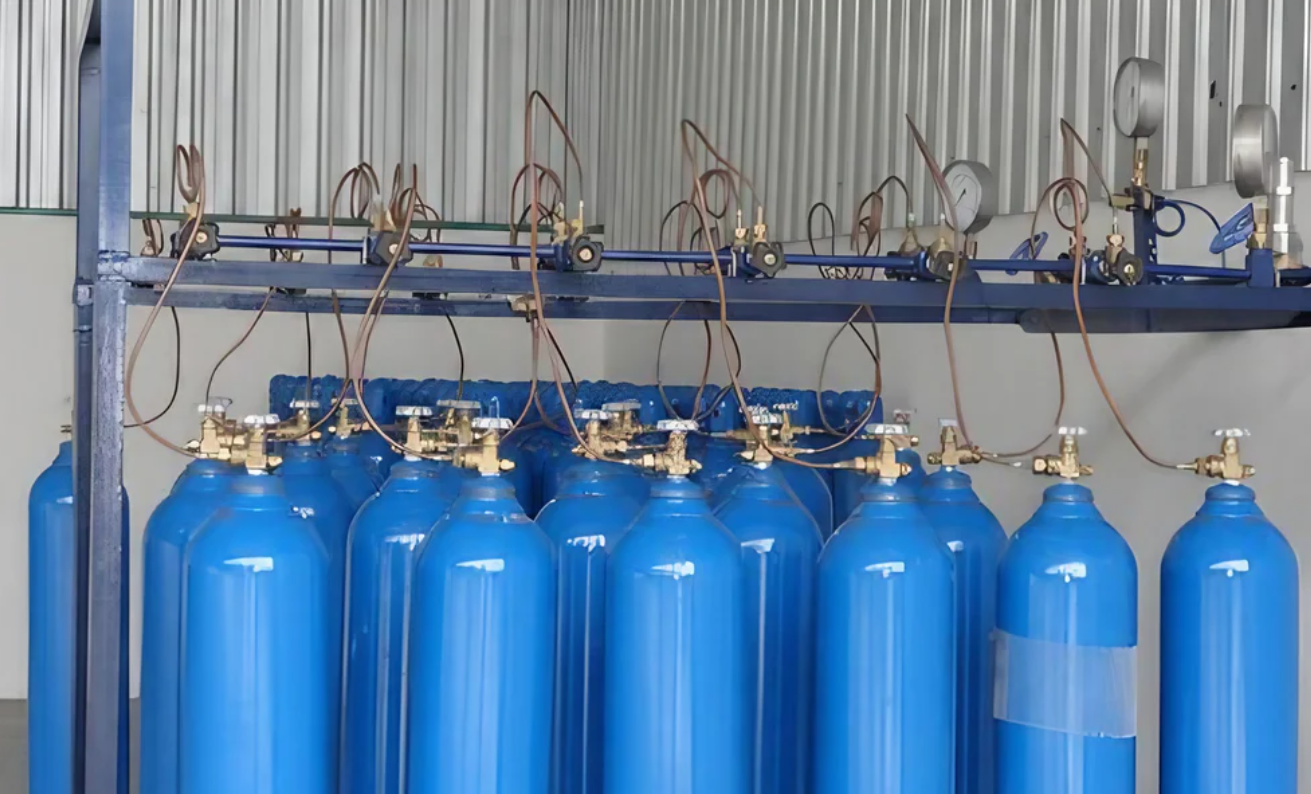
While LAB is stable, prolonged contact with air (oxygen), especially during temperature fluctuations, can lead to oxidative discoloration. For long-term storage or when product color is critical, it is highly recommended to use nitrogen blanketing in the storage tank. This involves maintaining a slight positive pressure of nitrogen over the liquid surface to displace air, effectively preventing oxidation and preserving product quality.
Safe Operating Procedures: Preventing Accidents
Personnel safety is paramount. Strict adherence to operating procedures can effectively prevent safety incidents related to industrial chemical storage.
Personal Protective Equipment (PPE)
Personnel involved in sampling, connecting lines, or maintenance should wear appropriate PPE:
Chemical safety goggles
Impermeable gloves
Anti-static work clothing

Loading, Unloading, and Transfer
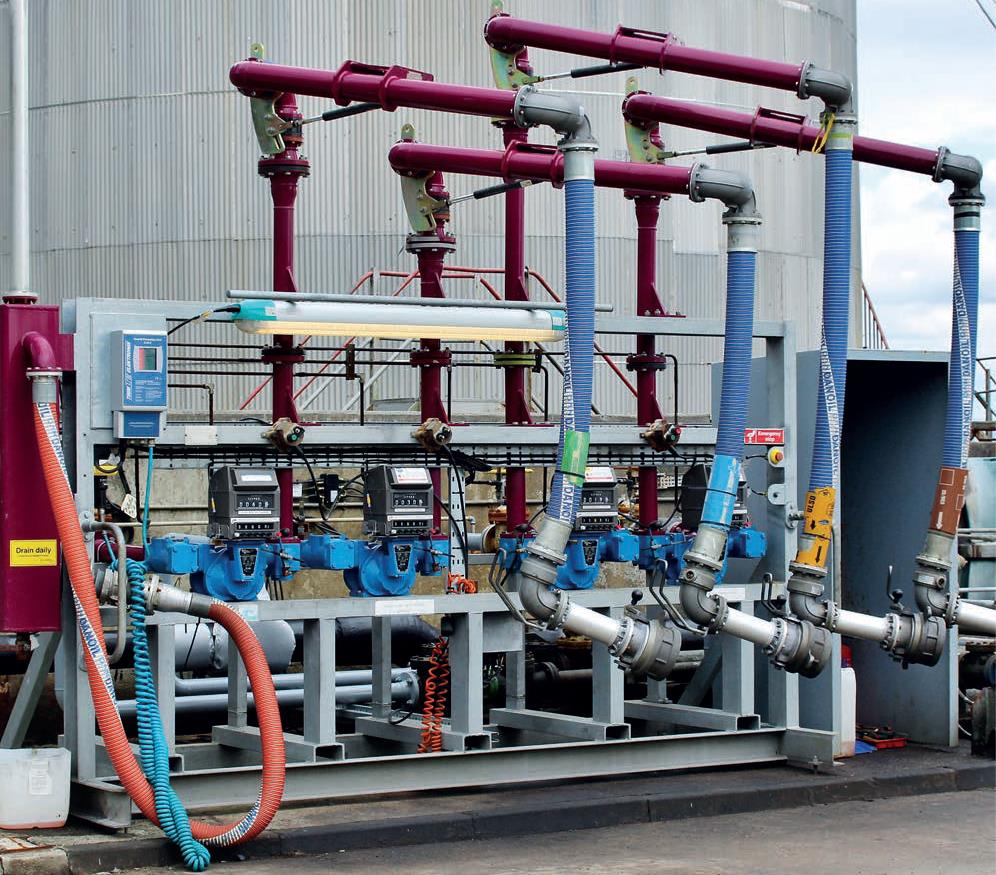
Static Electricity Control: LAB flowing at high speeds in pipes can generate static electricity. Ensure reliable grounding connections between tank trucks and the storage tank farm during transfer to dissipate static buildup. Control flow rates within safe limits.
Safe Connection: Ensure loading arms or hoses are securely connected to prevent spills and leaks. Avoid sparking when handling metal containers.
Overfill Prevention: Monitor filling operations or use level interlock systems to prevent overfilling and spills. It is advisable to use secondary containment during transfer.
Workplace Management
Maintain Cleanliness: Keep operating areas clean and free of clutter to eliminate tripping hazards.
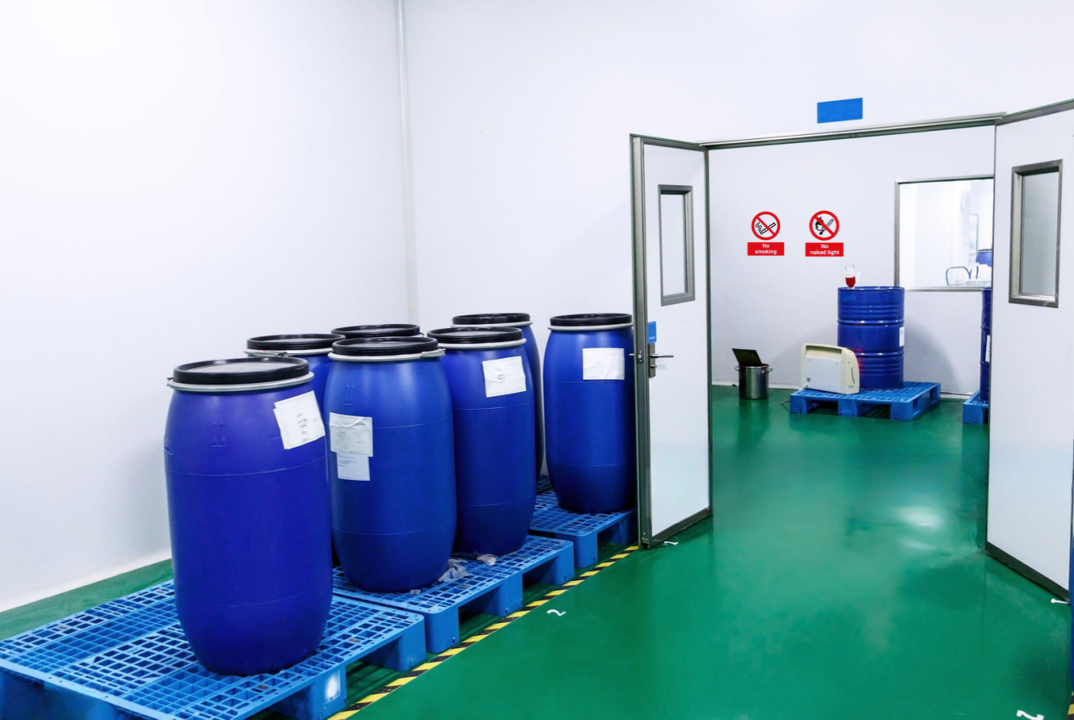
Strict No-Ignition Policy: The storage and handling area is a strict no-smoking and no-open-flame zone. Any hot work requires a rigorous permitting process.
Emergency Response & FAQs
Even with strict precautions, being prepared for emergencies is essential for maintaining a safe workplace.
Spill Response
Small Spill: Absorb immediately with sand, vermiculite, or other inert material. Collect the absorbed material in designated containers for disposal by licensed waste handlers.
Large Spill: Dike far ahead of the spill to contain it. Prevent entry into sewers, waterways, or basements. If possible and safe, stop the leak. Use explosion-proof pumps for recovery.
Personnel Protection: Personnel entering the spill area must wear full protective gear. Avoid direct contact with the spilled material.
First Aid Measures
Skin Contact: Remove contaminated clothing. Wash skin thoroughly with plenty of soap and water. Seek medical attention if irritation persists.
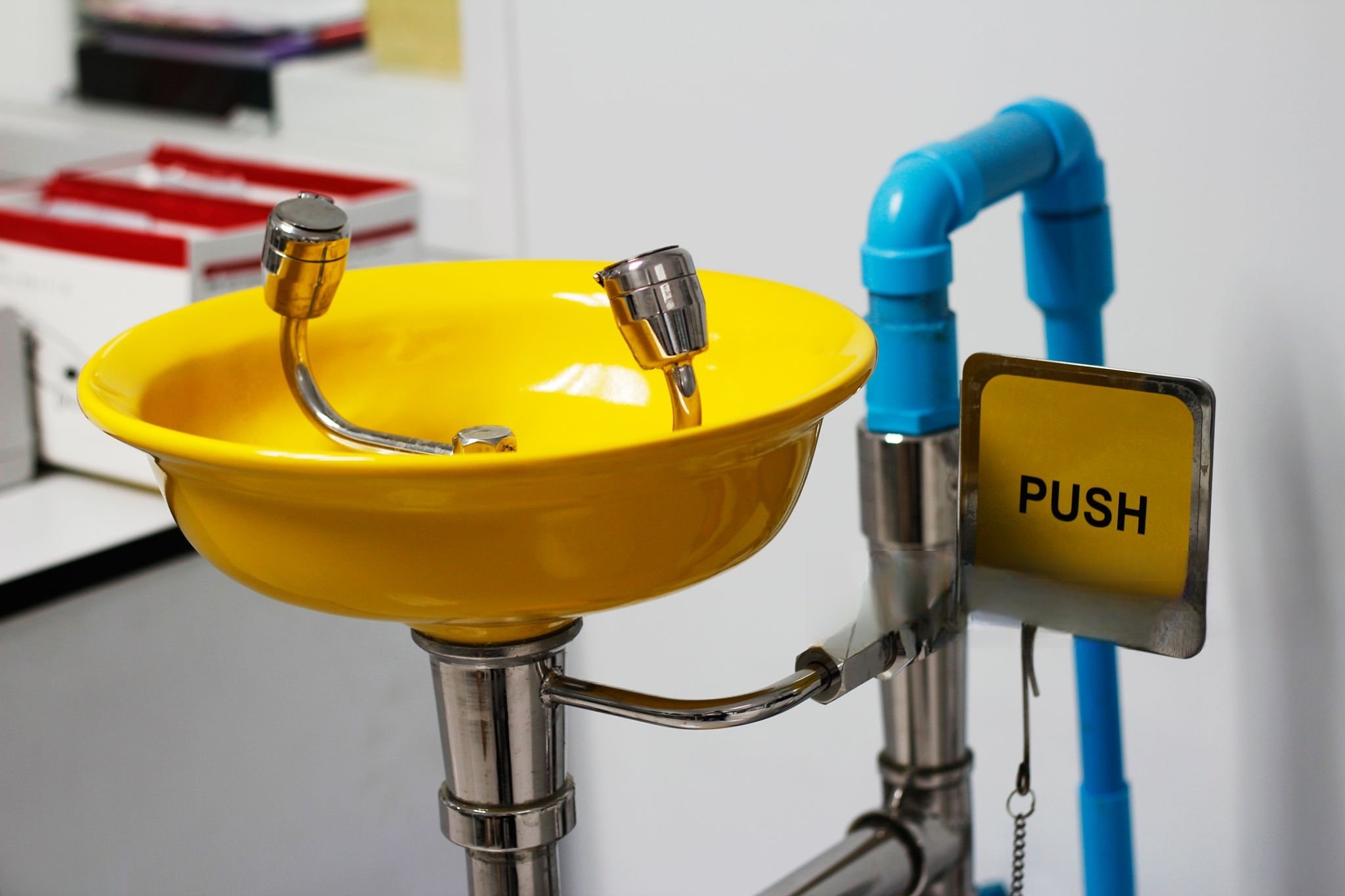
Eye Contact: Immediately flush eyes with plenty of water or saline solution for at least 15 minutes, lifting eyelids occasionally. Seek medical attention.
Inhalation: Move the person to fresh air immediately. If breathing stops, give artificial respiration. Seek medical attention.
Ingestion: If swallowed, give plenty of water to drink and induce vomiting. Seek medical attention.
الأسئلة المتداولة

Q: Can I use LAB if its color has darkened?
A: Darkening is usually due to slight oxidation from long-term or improper storage (e.g., high temperature, air exposure). This may affect the color of downstream products (like sulfonated LAS). It is recommended to perform a small-scale test to check sulfonation performance and the resulting active matter color before deciding to use it.
Q: What should I do if water gets into the LAB?
A: LAB is immiscible with water. If water ingress occurs, it will settle at the bottom due to its higher density. Allow the mixture to settle, then drain the water from the bottom outlet. Water can promote bacterial growth and cause “bumping” or cavitation during heating or pumping, posing a safety risk.
Q: What is the typical shelf life?
A: Under recommended storage conditions (cool, dry, nitrogen blanketing), LAB can typically be stored for over a year without significant degradation. Without nitrogen blanketing, it is advisable to shorten the storage period or re-test quality before use.
الختام
Safety is a critical matter where details determine success. As a stable chemical that nonetheless requires careful handling, scientific storage and operation of LAB are not only about product quality but also about asset protection and employee well-being. We hope this guide serves as a valuable tool in your daily management of Linear Alkylbenzene storage. For any further questions, please feel free to contact our technical team.