In industrial chemistry, alkalis are essential to countless manufacturing processes. When your production line requires pH adjustment, neutralization, or a chemical reactant, two options consistently rise to the top: সোডা ছাই, হালকা (Sodium Carbonate) and Caustic Soda (Sodium Hydroxide) .
Though both are strong alkalis, they are not interchangeable. Selecting the wrong one can lead to unnecessary costs, safety risks, or process inefficiencies. For procurement managers, plant engineers, and business owners, understanding the nuanced differences between these two chemical workhorses is critical for optimizing both production efficiency and your bottom line.
This article breaks down the key differences across four dimensions: chemical properties, cost efficiency, safety and handling, and application suitability.
1. Chemical Properties at a Glance
At the molecular level, the distinction is simple yet significant.
| Property | Soda Ash Light (Na₂CO₃) | Caustic Soda (NaOH) |
| Chemical Nature | Weak base (salt of strong base & weak acid) | Strong base (highly caustic) |
| pH (1% solution) | Approximately 11.5 | Approximately 13.5 |
| Solubility in Water | Moderate; dissolves well but slower | Excellent; highly exothermic reaction |
| Reactivity | Mild; requires heat or specific conditions for some reactions | Highly reactive; vigorous with acids, metals, and organic materials |
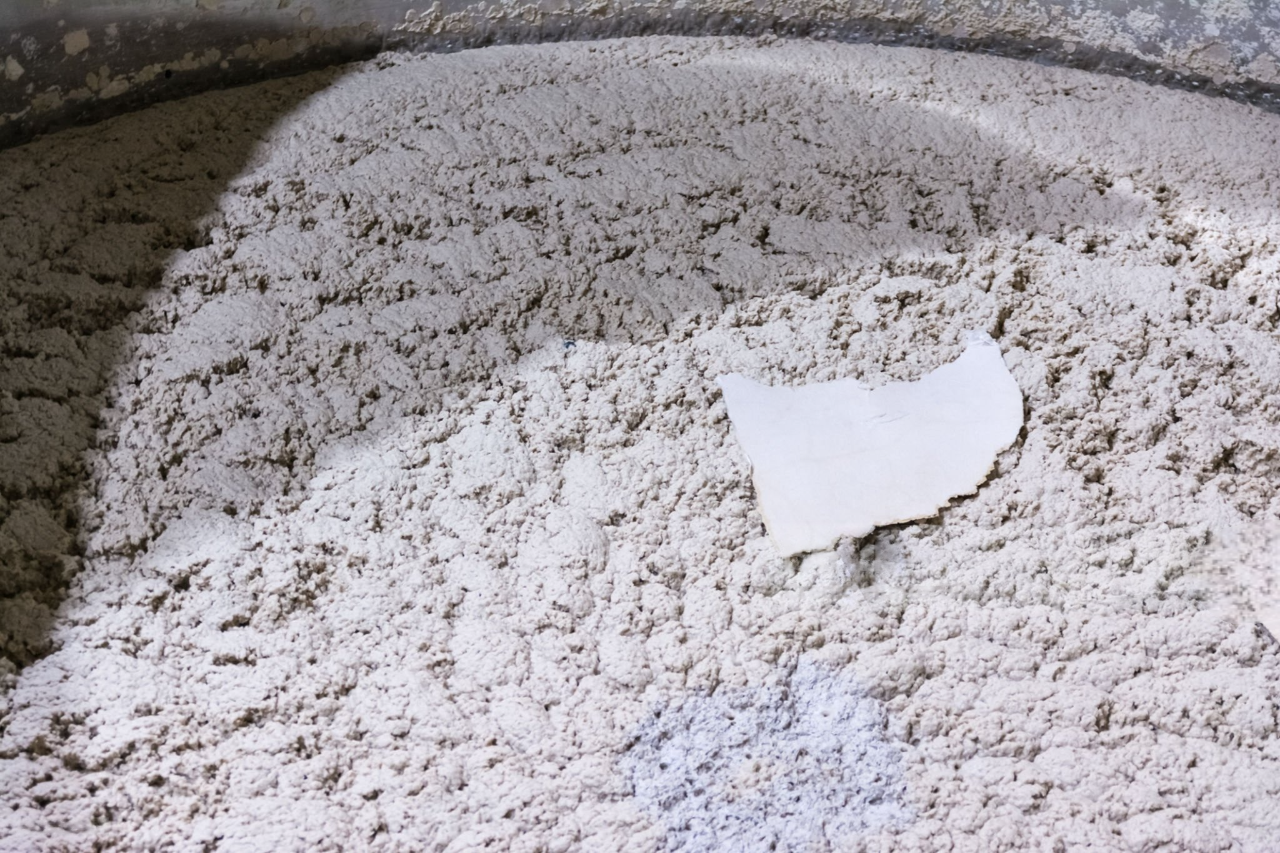
| চেহারা | White, free-flowing powder | White flakes, pearls, or liquid (50% solution) |
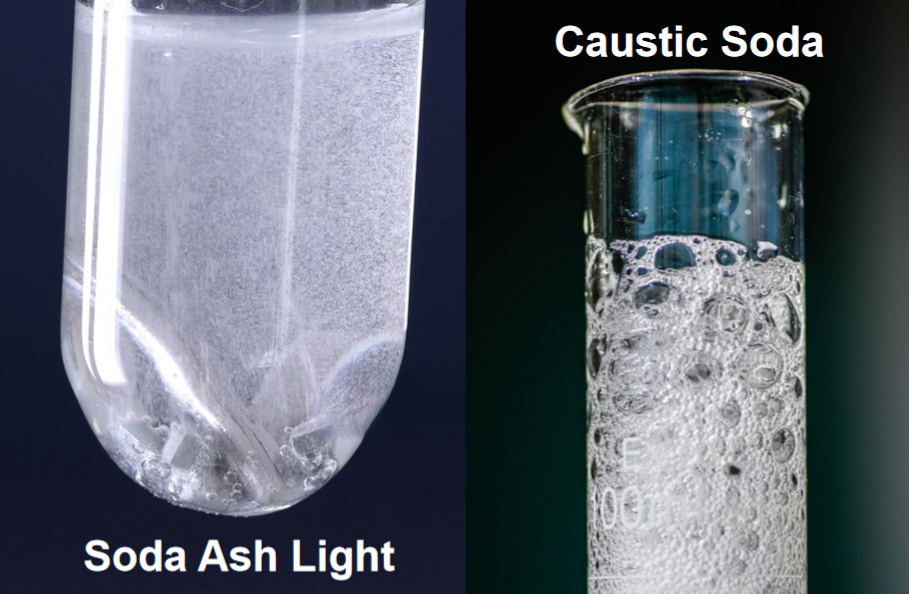
Key Takeaway: Soda Ash Light offers gentler alkalinity, making it suitable for processes requiring controlled, less aggressive reactions. Caustic Soda delivers maximum alkalinity and reactivity, ideal for applications demanding rapid and complete neutralization.
2. Cost Analysis: Beyond the Price Per Ton
Comparing these alkalis solely by unit price is misleading. The true metric is the total cost of ownership, best measured by the neutralization equivalent. Because Caustic Soda has a higher molecular weight equivalent per unit of alkalinity, it is chemically more efficient. However, that efficiency comes with hidden costs.
| Cost Factor | সোডা ছাই, হালকা | Caustic Soda |
| Unit Price | Generally lower per ton | Generally higher per ton |
| Neutralization Efficiency | Requires more product to achieve the same pH shift | Requires less product to achieve the same pH shift |
| Handling Costs | Lower (non-hazardous, simple storage) | Higher (hazardous material, specialized storage and PPE) |
| Transport & Warehousing | Standard dry bulk or bagged; no special restrictions | Often requires specialized trucks, tanks, and temperature control |
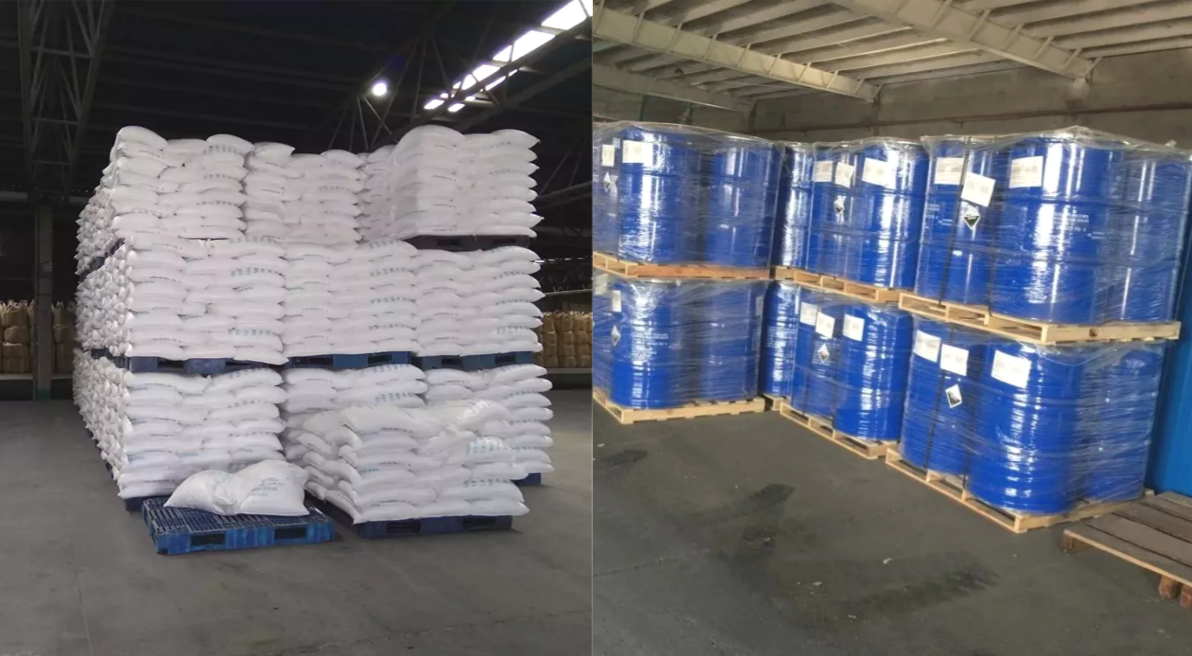
Key Takeaway: For large-scale, continuous neutralization—such as industrial wastewater treatment—Caustic Soda’s higher efficiency can offset its higher price. For operations with limited handling and safety infrastructure, Soda Ash Light often proves more economical in total landed cost.
3. Safety and Handling: A Critical Distinction
Safety protocols, PPE requirements, and storage infrastructure vary dramatically between these two chemicals.
সোডা ছাই, হালকা
Classification: Generally a mild irritant. Non-hazardous for transport under most regulations.
Storage: Simple, dry warehouse conditions. Can be stored in bags or silos without specialized ventilation.
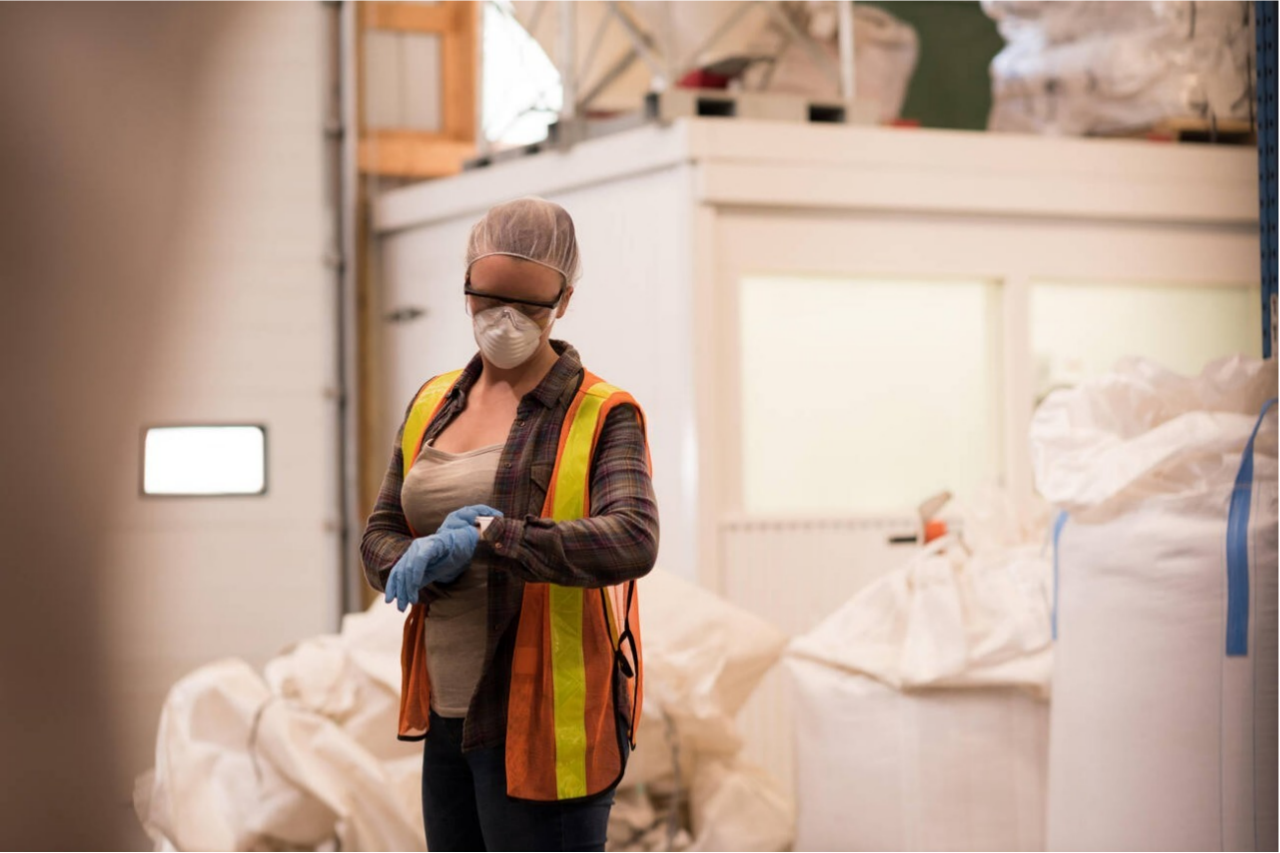
PPE: Basic gloves and dust masks are sufficient to prevent skin dryness and respiratory irritation.
Spill Management: Can be swept up safely. Non-corrosive to concrete or standard flooring.
Caustic Soda
Classification: Classified as corrosive (hazardous material). Strict regulations apply for transport, storage, and handling.
Storage: Requires specialized tanks (for liquid), corrosion-resistant flooring, and immediate access to eyewash stations and safety showers.
PPE: Full chemical-resistant gear required: neoprene gloves, face shields, chemical aprons, and rubber boots.
Spill Management: Spills are hazardous; require neutralization with acid or large volumes of water; can cause severe burns and damage equipment.
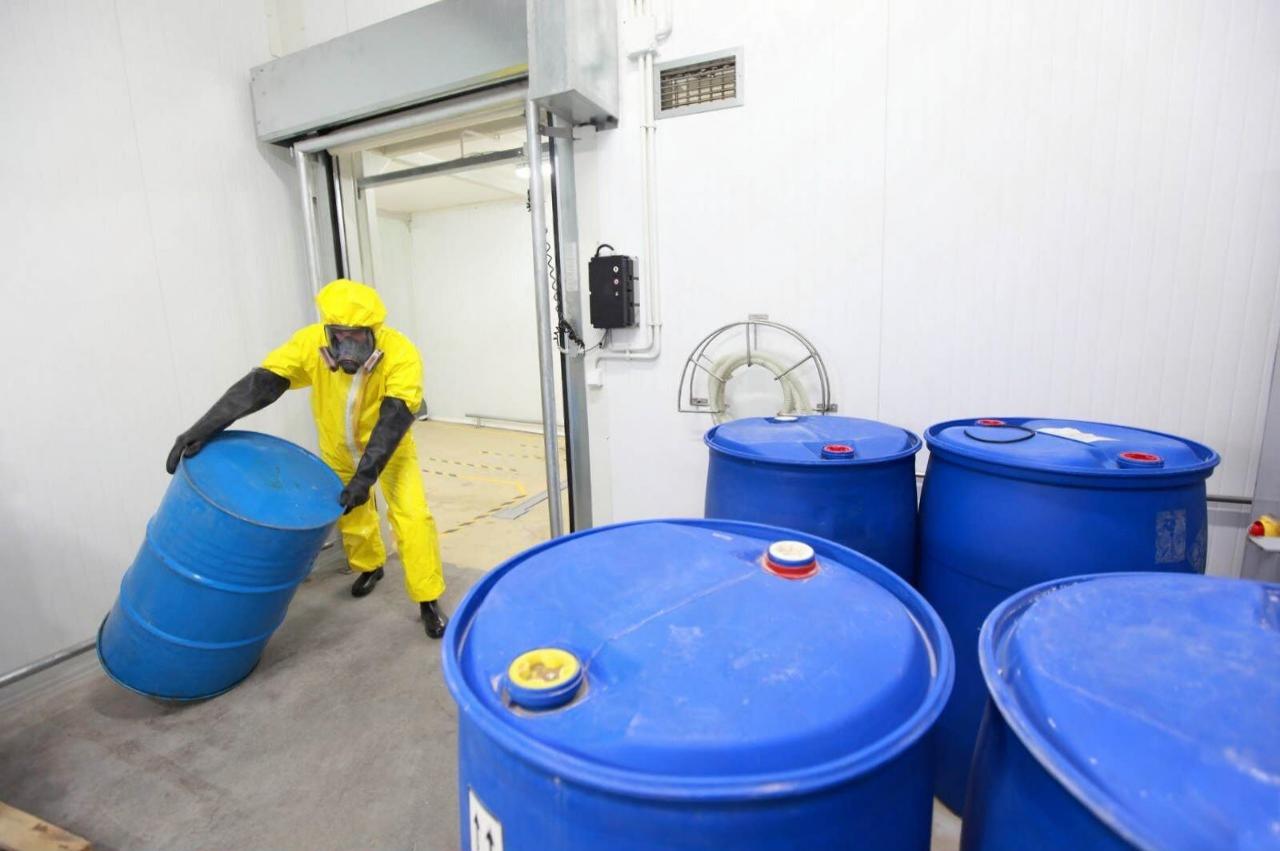
Key Takeaway: If your facility lacks advanced chemical handling infrastructure, Soda Ash Light is the safer, more manageable choice.
4. Application Suitability: Matching the Chemical to the Process
Both alkalis have established territories where they are the preferred choice. Substituting one for the other often compromises product quality or process efficiency.
Where Soda Ash Light Excels
| Industry | আবেদন | Why Preferred |
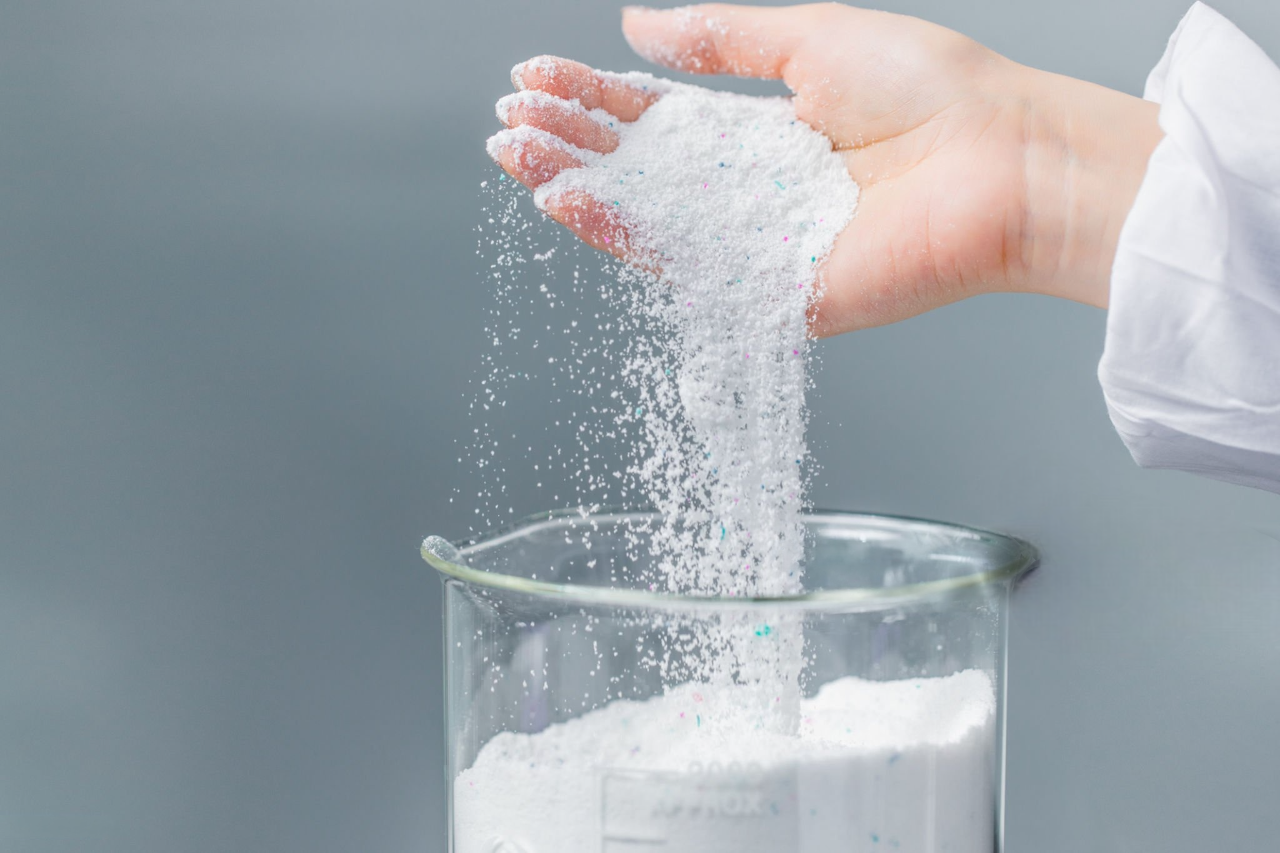
| Detergents & Cleaning | Builder to soften water and boost surfactant performance | Mildness; does not damage fabrics; cost-effective bulk filler |
| গ্লাস উত্পাদন | Key fluxing agent | Required for chemical composition; Caustic Soda cannot substitute |
| Pool pH Adjustment | Raising pH in swimming pools | Safe, slow-dissolving, non-corrosive to equipment |
| Food & Beverage | pH regulation (noodle production, cocoa processing) | Food-grade approved; less aggressive |
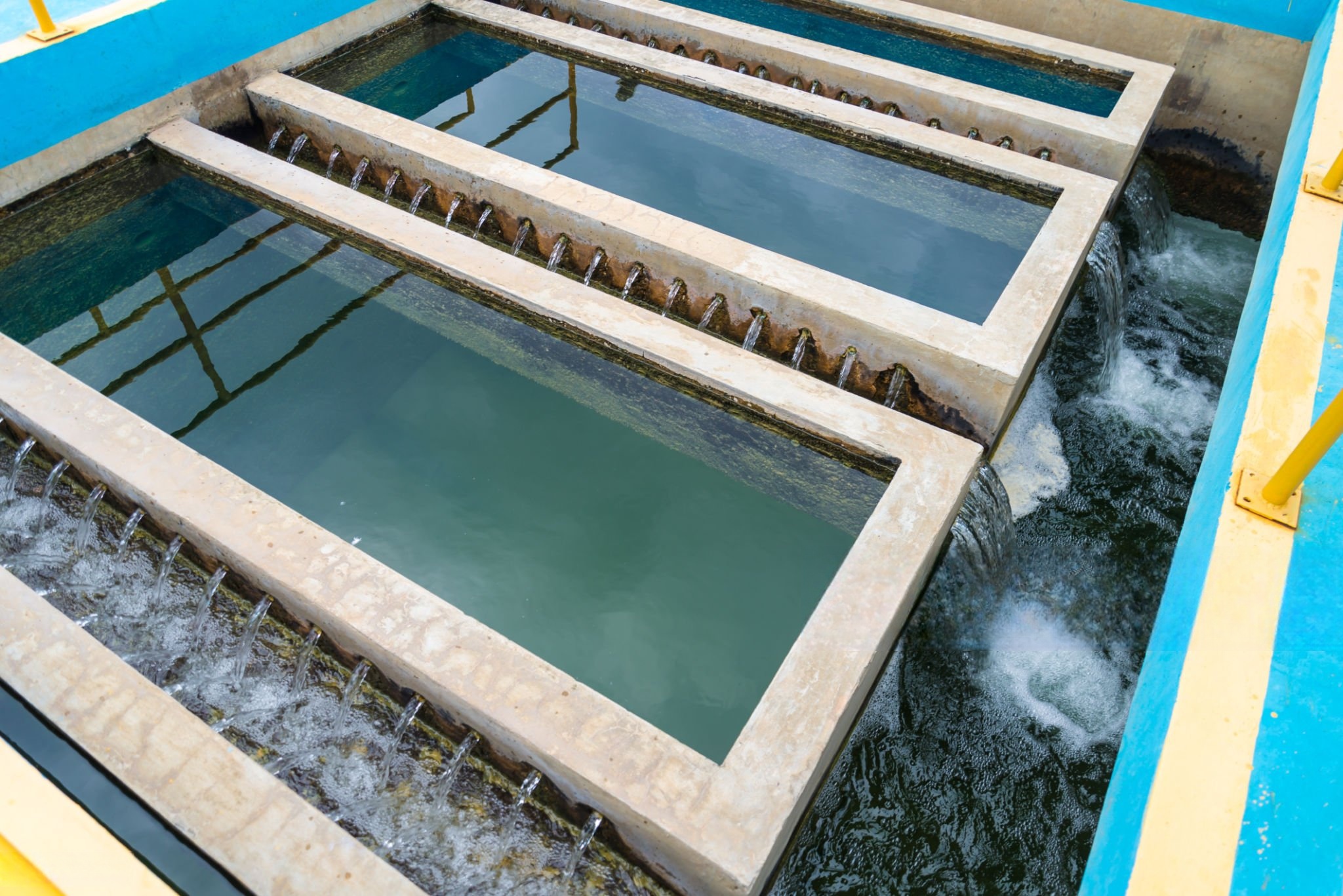
| Water Treatment (Mild) | pH adjustment for municipal or industrial effluent | Safer for operators; reduces risk of over-correction |
Where Caustic Soda Excels
| Industry | আবেদন | Why Preferred |
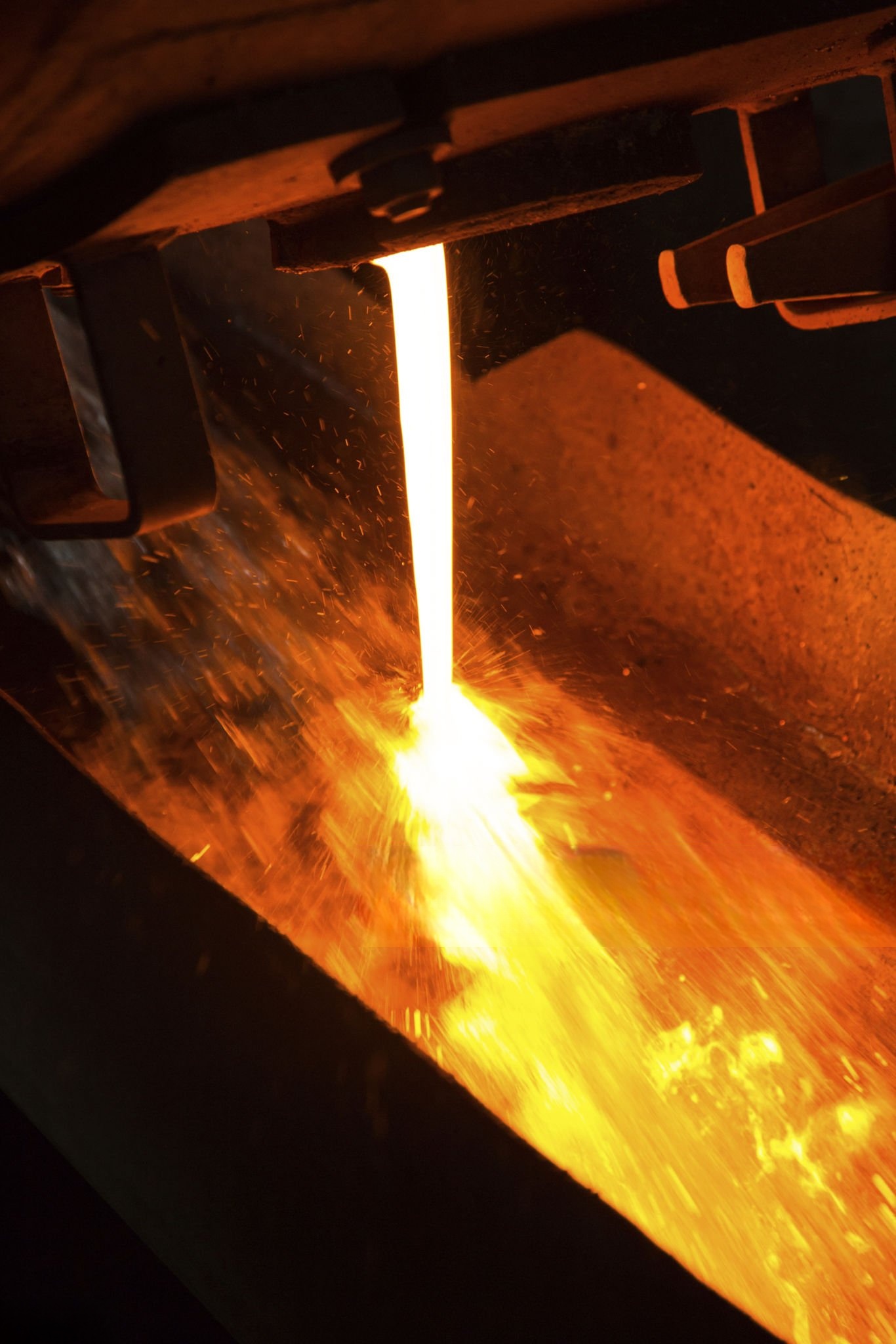
| Alumina Refining | Bayer process to extract alumina from bauxite | Requires maximum alkalinity and high-temperature efficiency |
| Pulp & Paper | Pulping and delignification of wood chips | Strong reactivity needed to break down lignin |
| Chemical Synthesis | Production of organic and inorganic chemicals | High reactivity is often a prerequisite for reactions |
| Soap & Biodiesel | Saponification (conversion of fats into soap or biodiesel) | NaOH is the essential reactant; Soda Ash cannot saponify fats |
| Heavy Water Treatment | Aggressive pH correction in industrial effluent | Efficiency in handling high acidity loads |
Conclusion: Making the Right Choice
There is no universal “better” alkali. The optimal choice depends entirely on your specific industrial process, safety infrastructure, and cost structure.
Choose Soda Ash Light if: your application requires a milder, safer alkali; your facility lacks specialized hazardous material handling systems; or you work in industries like detergents, glass, or food processing where its specific properties are required.
Choose Caustic Soda if: your process demands maximum neutralization efficiency; you have the infrastructure to handle corrosive materials safely; or you are in heavy industries like alumina refining, pulp and paper, or soap manufacturing.

At YRC, we specialize in providing high-quality Soda Ash Light with consistent specifications and reliable supply chains. Whether you need technical advice on selecting the right product for your process or require a trusted long-term partner for your alkali procurement, our team is here to help.
Contact us today to discuss your specific application needs.