When most buyers think of la ceniza de sosa de la luz, they picture glass furnaces, detergent production lines, or water treatment plants. Few realize that this versatile alkali also plays a quiet but critical role in animal nutrition and pet care.
From keeping dairy cows healthy to controlling odors in cat litter boxes, soda ash light has found its way into two niche yet growing markets: animal feed and pet products. This article explores these less-known applications, the quality requirements involved, and what buyers should look for when sourcing feed-grade soda ash light.
Soda Ash Light in Ruminant Feed: Preventing Acidosis
Modern dairy and beef production often relies on high-concentrate diets rich in grains and corn silage to maximize growth and milk output. While effective, these diets pose a significant health risk: rumen acidosis (also known as subacute ruminal acidosis, or SARA).
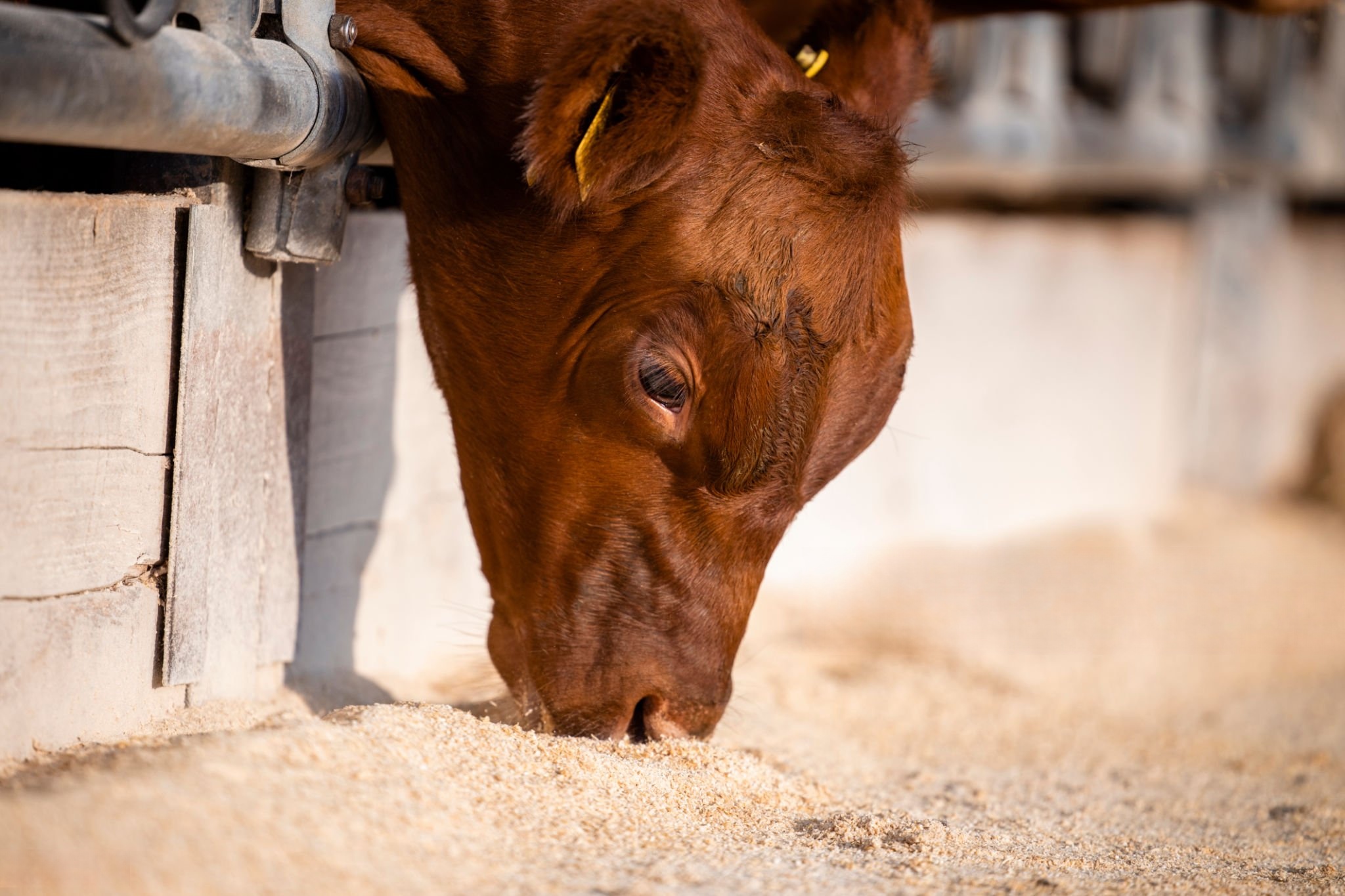
The rumen normally maintains a pH between 6.0 and 6.8. High-grain diets rapidly ferment, producing large amounts of volatile fatty acids (VFAs), which can drop rumen pH below 5.5. This acidic environment impairs fiber digestion, reduces feed intake, causes lameness, and in severe cases, can kill the animal.
Soda ash light acts as a rumen buffer. When added to total mixed rations (TMR) at typical inclusion rates of 0.5–1.5% of dry matter intake, it neutralizes excess acid, helping to maintain a stable rumen pH. Compared to sodium bicarbonate (baking soda), soda ash light is more alkaline per unit weight and can be more cost-effective, especially in large feedlots.
Key benefits in animal feed
Stabilizes rumen environment → improves fiber digestion and feed efficiency
Prevents acidosis-related health issues (reduced veterinary costs)
Maintains normal feed intake → supports growth and milk production
Can partially replace more expensive buffers
Soda Ash Light in Pet Products: Odor Control and pH Management
The pet product industry is another surprising consumer of soda ash light. Two major applications stand out.
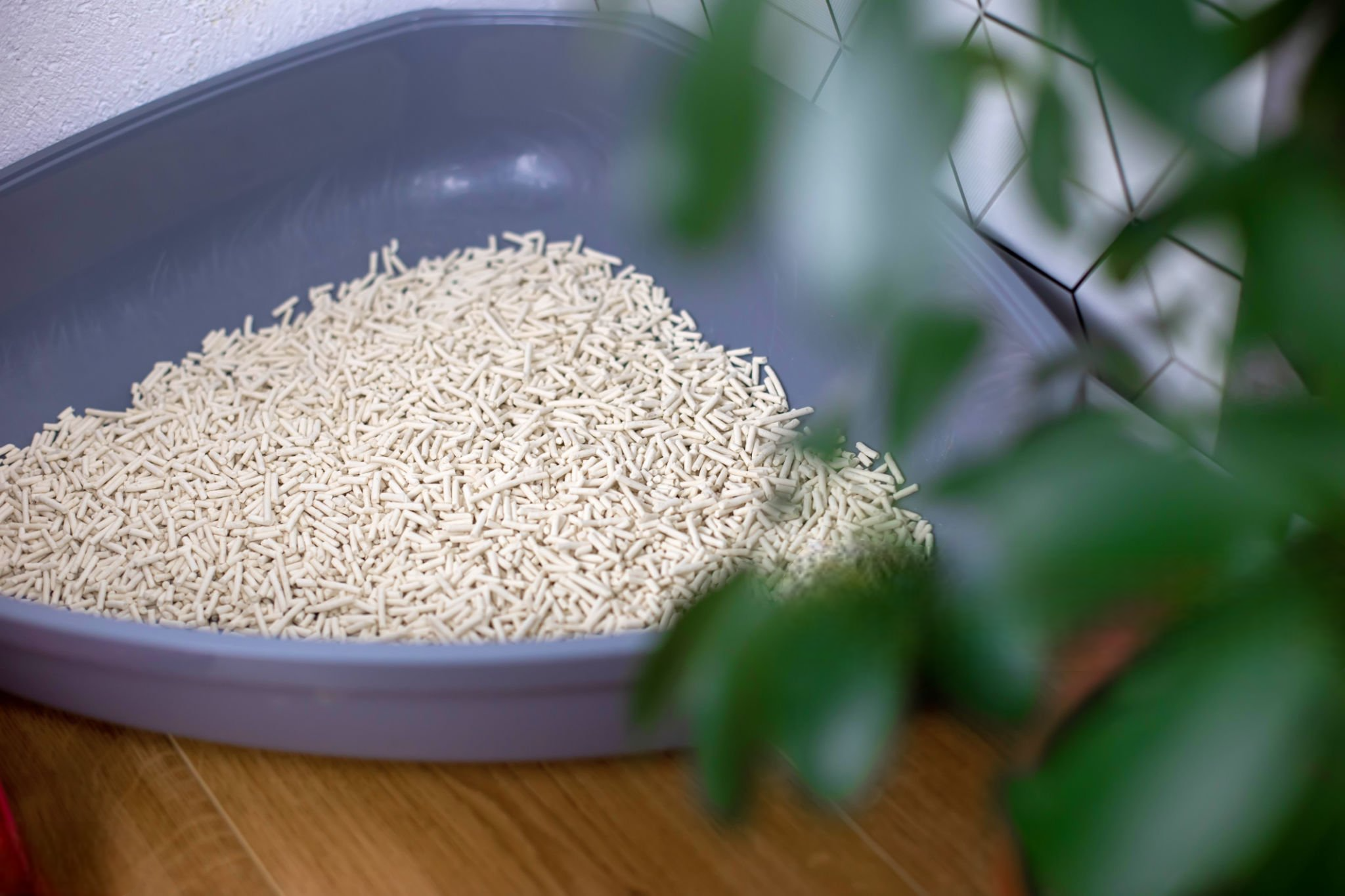
Cat Litter: Clay-based and plant-based cat litters rely on absorption and odor control. The primary source of unpleasant odor in used litter is ammonia, produced when urine urea breaks down. Soda ash light acts as a pH regulator. By maintaining a slightly alkaline environment (pH > 7), it prevents the enzymatic breakdown of urea into ammonia. Some premium litter brands incorporate soda ash light as a natural, non-toxic odor control additive.
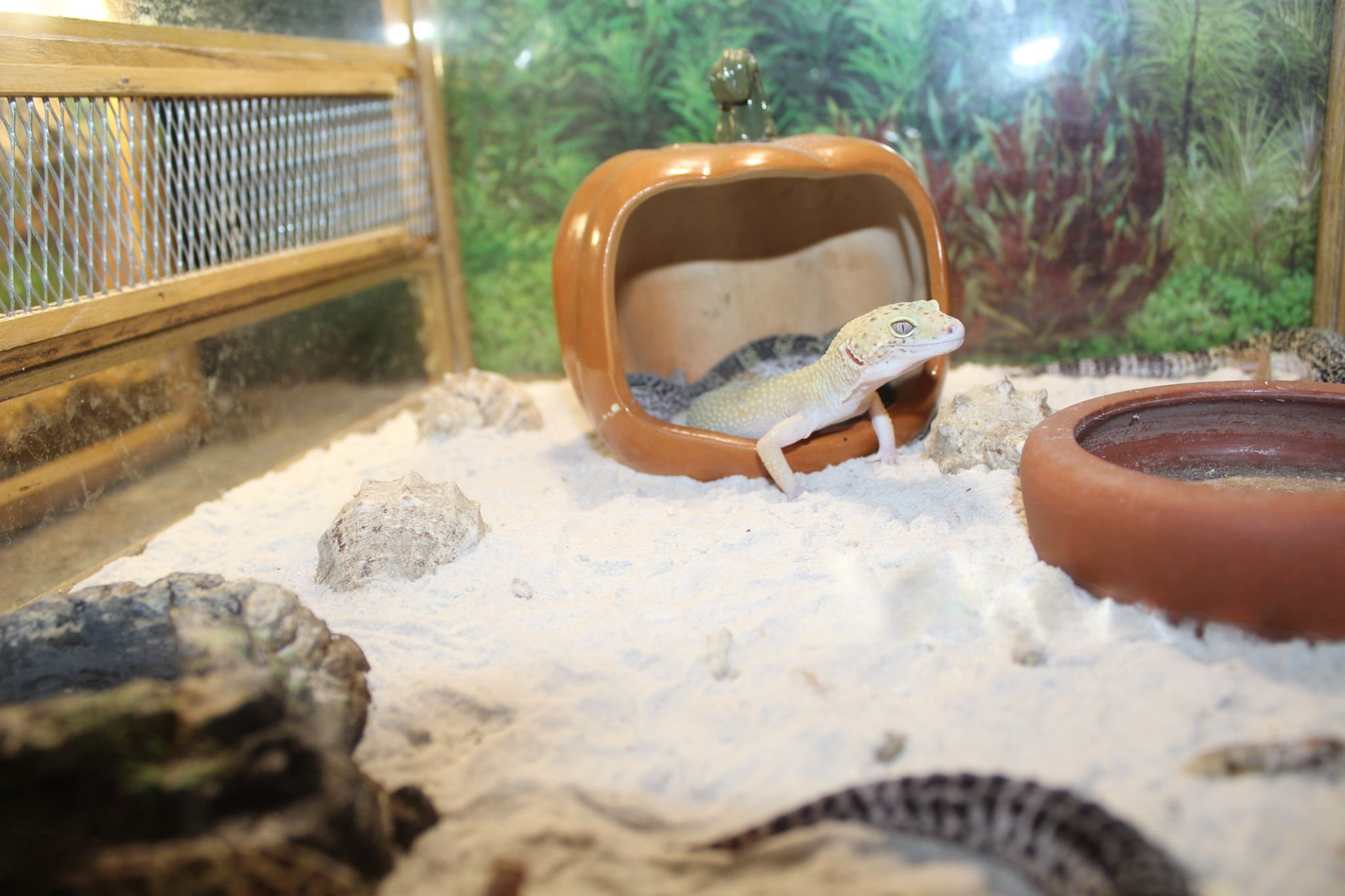
Reptile Bedding and Substrates: Reptiles such as bearded dragons, tortoises, and lizards require clean, dry enclosures. Soda ash light can be used sparingly in certain substrates to absorb moisture and neutralize acidic waste products, reducing bacterial growth and odors. Manufacturers blend it carefully with other materials, as direct contact should be limited due to high alkalinity.
Why is soda ash light preferred over dense soda ash in pet products? The light, porous structure offers higher surface area and faster dissolution, making it more effective as a moisture-activated odor control agent. Dense soda ash is too granular and less reactive for this application.
Quality Requirements for Feed-Grade Soda Ash Light
Not all industrial-grade soda ash light is suitable for animal feed or pet products. These applications demand stricter quality control, especially regarding heavy metals and impurities.
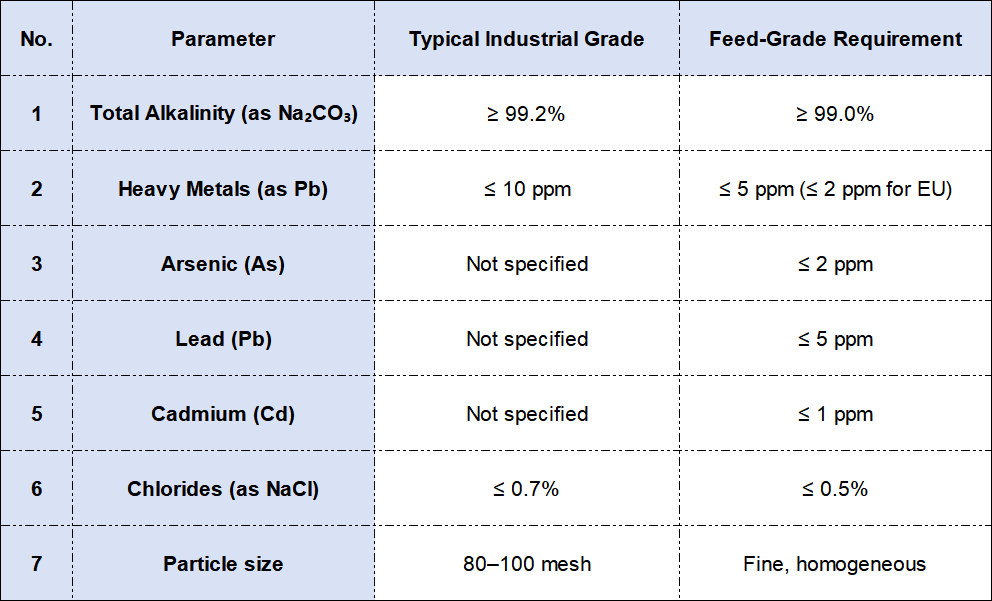
Regulatory compliance
FDA (USA): Soda ash is generally recognized as safe (GRAS) for certain feed uses when meeting purity specifications.
EFSA (Europe): Sodium carbonate is authorized as a feed additive (E 500) with defined impurity limits.
China (MOA): Feed-grade sodium carbonate must comply with GB standards.
Buyers sourcing for feed or pet applications must request a Feed Grade Certificate of Analysis (COA) and, ideally, third-party lab test results for heavy metals.
Sourcing Tips for Buyers
If you are considering soda ash light for animal feed or pet products, keep these points in mind:
Ask for feed-grade documentation: Do not assume industrial-grade meets stricter limits. Request a dedicated feed-grade COA.
Verify heavy metal content: Ask for ICP-MS or AAS test reports. Pay special attention to lead, arsenic, and cadmium.
Check particle size: Feed applications require fine, uniform powder for proper mixing. Coarse particles may segregate.
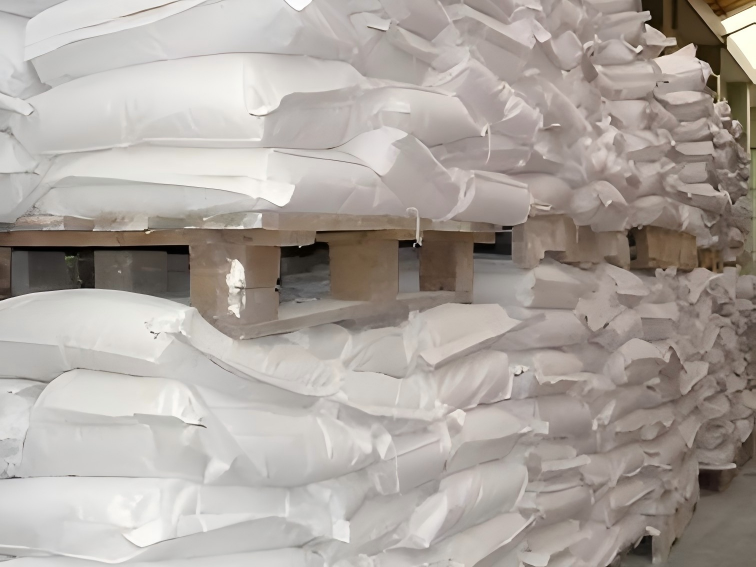
Confirm regulatory compliance for your target market: EU, US, and Asian markets have different standards. Your supplier should be familiar with export requirements.
Request a sample for in-house testing: Perform simple solubility and pH tests. For safety, send a sample to an accredited lab for heavy metal analysis.
Traceability matters: Ensure your supplier can trace the batch back to production records in case of quality issues.
Conclusión
Soda ash light is far more than an industrial chemical. Its application in animal feed and pet products, though niche, is growing as producers seek effective, affordable solutions for rumen health and pet hygiene.
For buyers, this represents an opportunity to differentiate themselves by serving specialized markets. However, it also demands greater attention to quality standards and regulatory compliance. Working with a reliable supplier who understands feed-grade requirements and provides transparent documentation is essential.

At YRC, we offer feed-grade soda ash light that meets international purity and heavy metal standards. Whether you need it for dairy rations or premium cat litter, we can provide the specifications you require – backed by full traceability and third-party test reports.
Contact us today to request a feed-grade sample or discuss your specific application needs.