
It is not uncommon for a colored speckle that performs perfectly in lab trials to encounter issues such as sedimentation, breakage, color bleeding, or caking during mass production. In most cases, the root cause is not a defect in the speckle itself, but rather insufficient compatibility between the speckle and the product matrix.
Powders, liquids, bars, and pods impose fundamentally different physical, chemical, and mechanical demands on speckles. This article outlines the typical challenges associated with each matrix and provides practical optimization approaches for formulators.
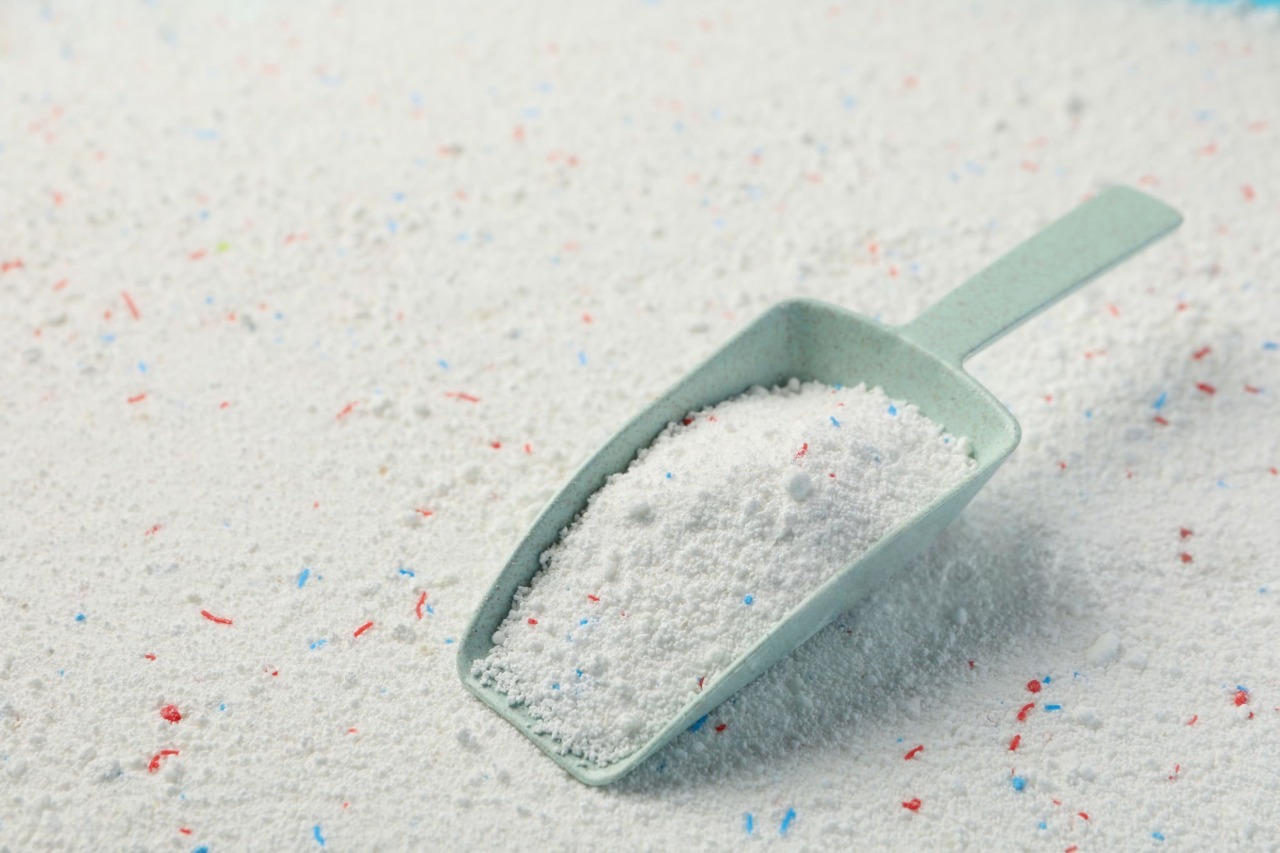
Powder Matrix: Laundry Powders, Powder Cleaners
Powders represent the most mature application area for colored speckles, though certain issues remain common.
Observed issues
Segregation during packaging or transport, breakage leading to dust or spots, caking from moisture absorption, and uneven distribution due to static charge.
Primary causes
Excessive bulk density difference (beyond 15%), insufficient mechanical strength, and lack of hydrophobic or anti-static treatment.
Optimization recommendations
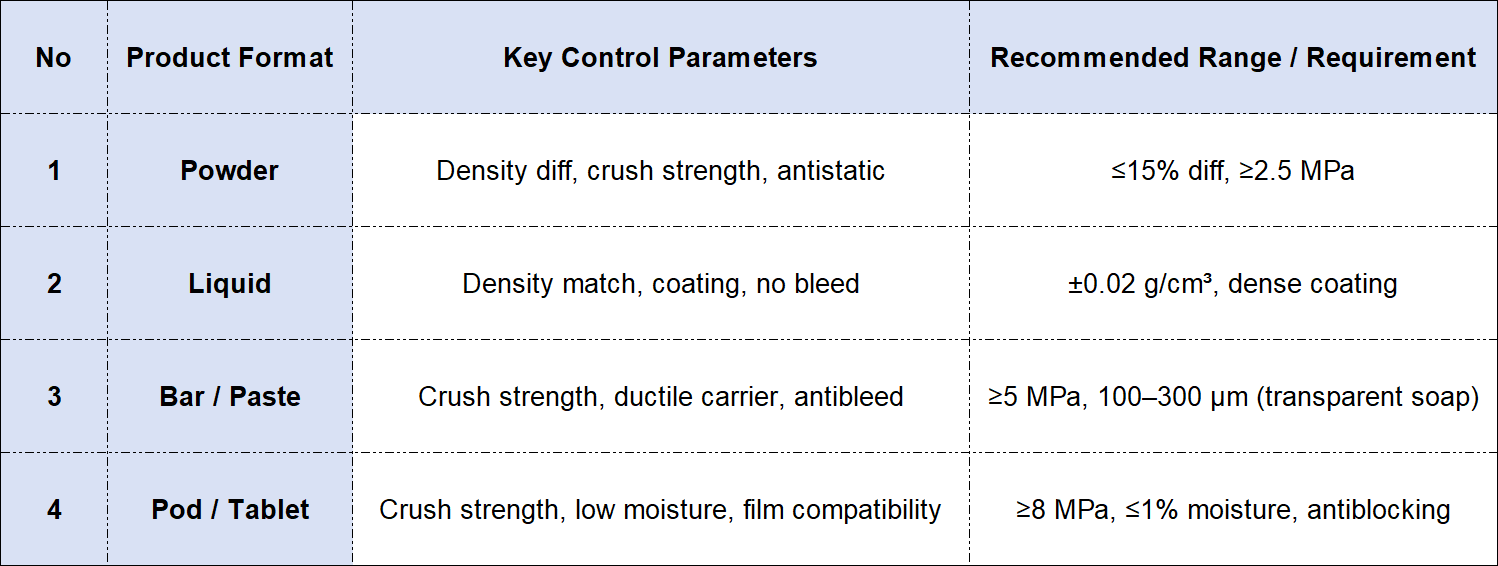
Adjust bulk density to within 15% of the base powder by modifying the carrier (e.g., calcium carbonate, sodium sulfate, microcrystalline cellulose). Use speckles with a crush strength of at least 2.5 MPa. Apply hydrophobic silica or magnesium stearate as an anti-caking agent and reduce surface resistivity. Add speckles during the latter half of the mixing cycle to minimize mechanical stress.
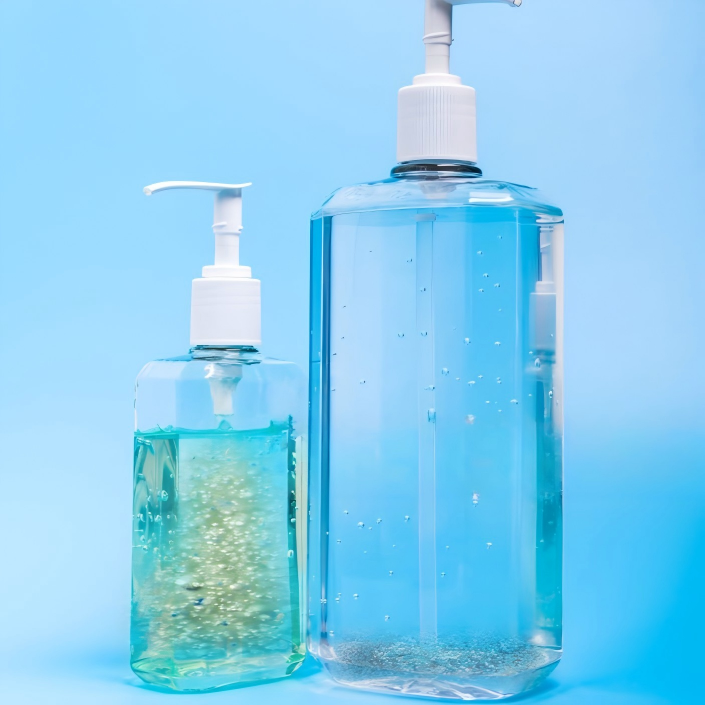
Liquid Matrix: Laundry Liquids, Dish Soaps, Liquid Soaps
Liquid environments are significantly more demanding and require precise compatibility engineering.
Observed issues
Speckles sinking or floating, swelling/bleeding/disintegration in surfactant systems, color change or sediment after storage, and pump clogging.
Primary causes
Density mismatch, penetration of surfactants/solvents into the speckle structure, and use of soluble dyes instead of insoluble pigments.
Optimization recommendations
Adjust speckle density to within ±0.02 g/cm³ of the liquid density using hollow structures (to lower density) or heavy fillers (to increase density). Employ highly crosslinked carriers (e.g., crosslinked starch, crosslinked PVP, polymethacrylate) and apply a dense coating (ethyl cellulose or wax) to block surfactant attack. Prefer insoluble pigments or chemically bind dyes to the carrier. Run thermal cycle testing (-5°C ↔ 50°C for 3 cycles) and centrifugal settling testing (3000 rpm for 10 minutes) to verify long-term stability.
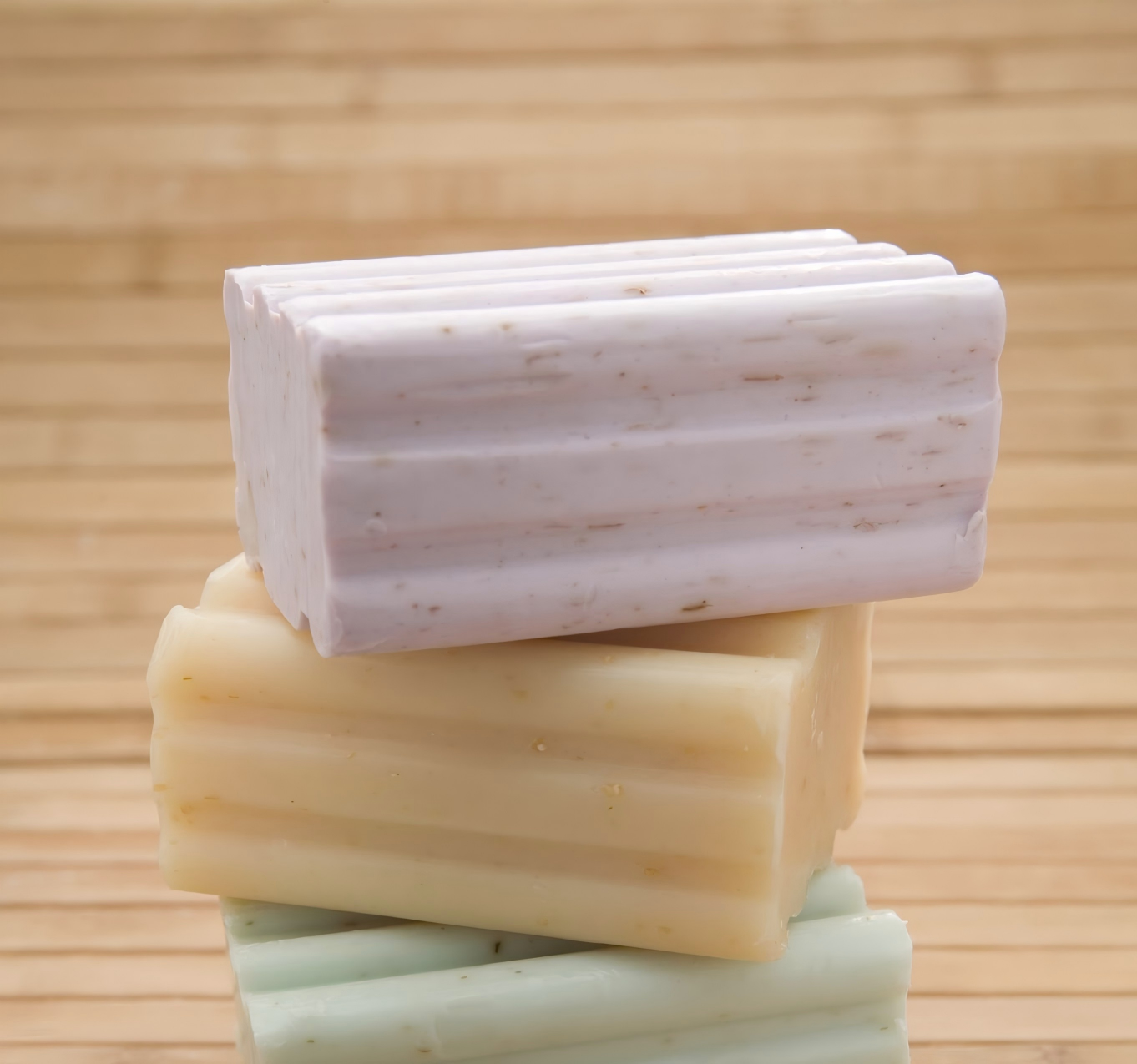
Bar and Paste Matrix: Laundry Bars, Beauty Soaps, Household Cleaning Pastes
Soap bar processing involves high-pressure pressing, milling, and extrusion, imposing greater mechanical demands on speckles.
Observed issues
Speckles crushed during pressing leaving discolored spots, edge bleeding contaminating the surrounding soap, detachment from the bar surface, and stretching or deformation during milling/extrusion.
Primary causes
Insufficient crush strength for high pressing pressures, mismatch in elastic modulus between speckles and soap base, and lack of a barrier layer allowing dye migration.
Optimization recommendations
Select speckles with a crush strength of at least 5 MPa and prefer ductile carriers (modified PEG or wax-based systems) that undergo plastic deformation rather than brittle fracture. Add speckles when the soap base is semi-solid (approx. 40–50°C). For transparent soaps, maintain speckle size between 100–300 μm. Apply an ultra thin layer of hydrophobic wax or silica as a physical barrier against dye migration.
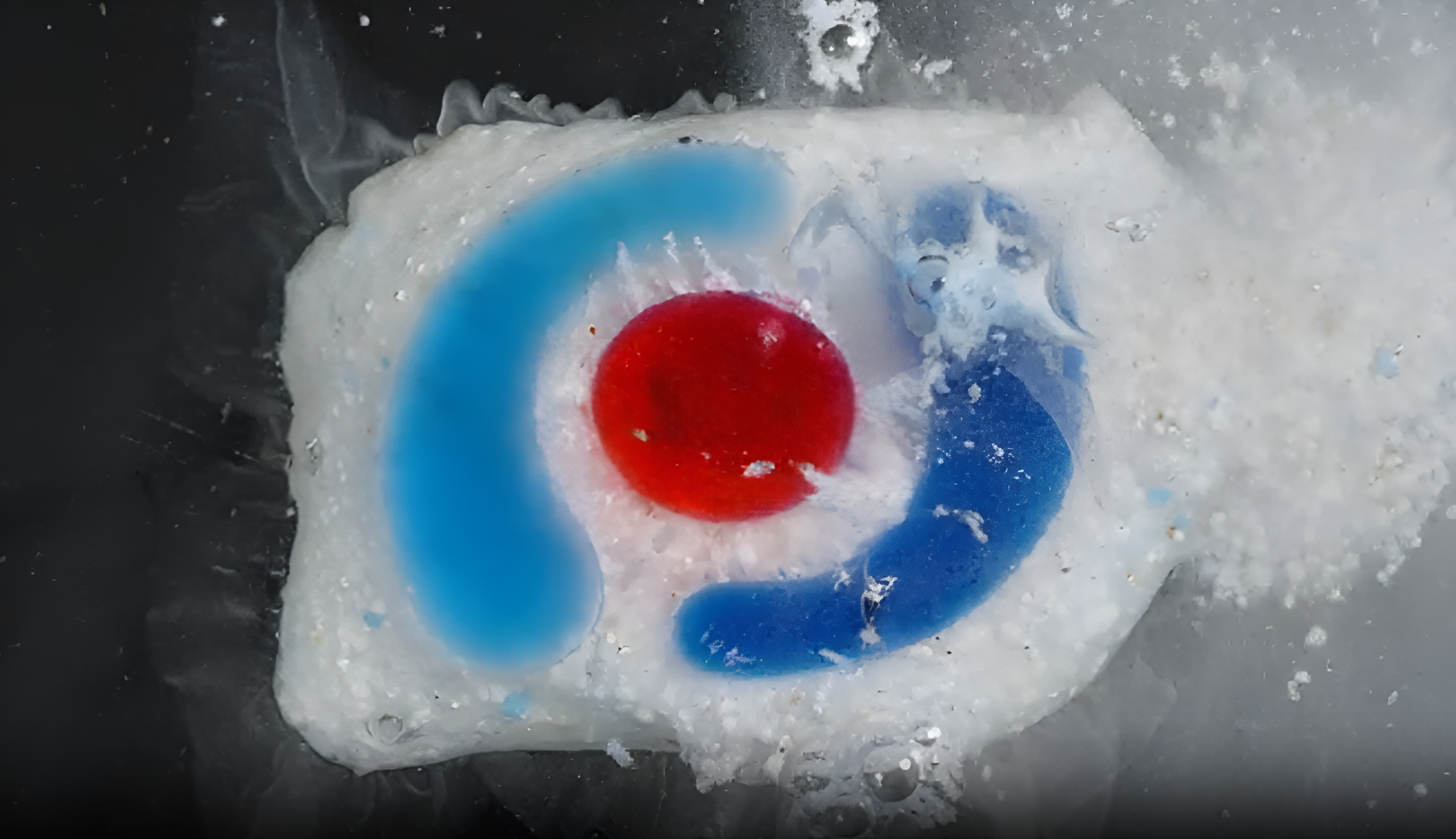
Tablet and Pod Matrix: Laundry Pods, Dishwasher Tablets, Effervescent Tablets
Pods and effervescent tablets represent the most demanding applications for colored speckles in household cleaning products.
Observed issues
Speckles crushed during tableting leaving star spots, adhesion or chemical reaction with pod film, speckle settling/agglomeration in the liquid compartment, and premature reaction in effervescent systems.
Primary causes
Extremely high tableting pressure (10–20 kN), density mismatch with pod liquid or incompatibility with film material, and excessive moisture content.
Optimization recommendations
Use thermoset carriers (high-MFI PEG or polycaprolactone) and achieve a crush strength of at least 8 MPa. For pods: maintain density within ±0.01 g/cm³ of the pod liquid (propylene glycol/glycerol/water blend) and apply an anti blocking coating (low-MW polyethylene wax). For effervescent tablets: ensure moisture ≤1% with no free acid/alkali, and consider microencapsulation to physically isolate speckles. Pre-mix speckles with the pod liquid before filling rather than dry-dosing.
Quick Reference Table
A Note on Multi-Format Product Lines
If your product line includes multiple formats (e.g., both powder and liquid detergents), we generally do not recommend using the same colored speckle across all matrices. The requirements differ too significantly. A so-called “universal” speckle typically means compromises in every application. Developing separate grades for each format is a more reliable technical approach.

Technical Support Statement
As a colored speckle manufacturer, we provide not only products but also matrix compatibility evaluation services:
Based on your product format and base matrix composition (surfactant type, pH, solvent system, etc.), we offer detailed technical parameter recommendations to help you select or customize the most suitable speckle solution.
We provide professional consultation on addition processes, including feeding order, mixing temperature and duration, and process adaptation guidelines for different matrices.
When needed, we assist in diagnosing speckle-related issues in your existing formulations and propose optimization suggestions at the formulation or process level.
We believe that a quality colored speckle should integrate seamlessly with your product formulation — not remain a foreign additive. For further technical discussion, please contact our team.