In the global push for a cleaner, healthier planet, industries are urgently seeking innovative and sustainable solutions. Sodium bicarbonate, commonly known as baking soda, is stepping far beyond its traditional roles in kitchens and medicine cabinets to emerge as a powerful, eco-friendly champion in the field of environmental remediation. This versatile compound represents a safe, effective, and sustainable answer to some of today’s most pressing pollution challenges. This article delves into the green applications of sodium bicarbonate, showcasing how it safeguards our air, water, and soil.
Clearing the Air: An Expert in Efficient Flue Gas Treatment
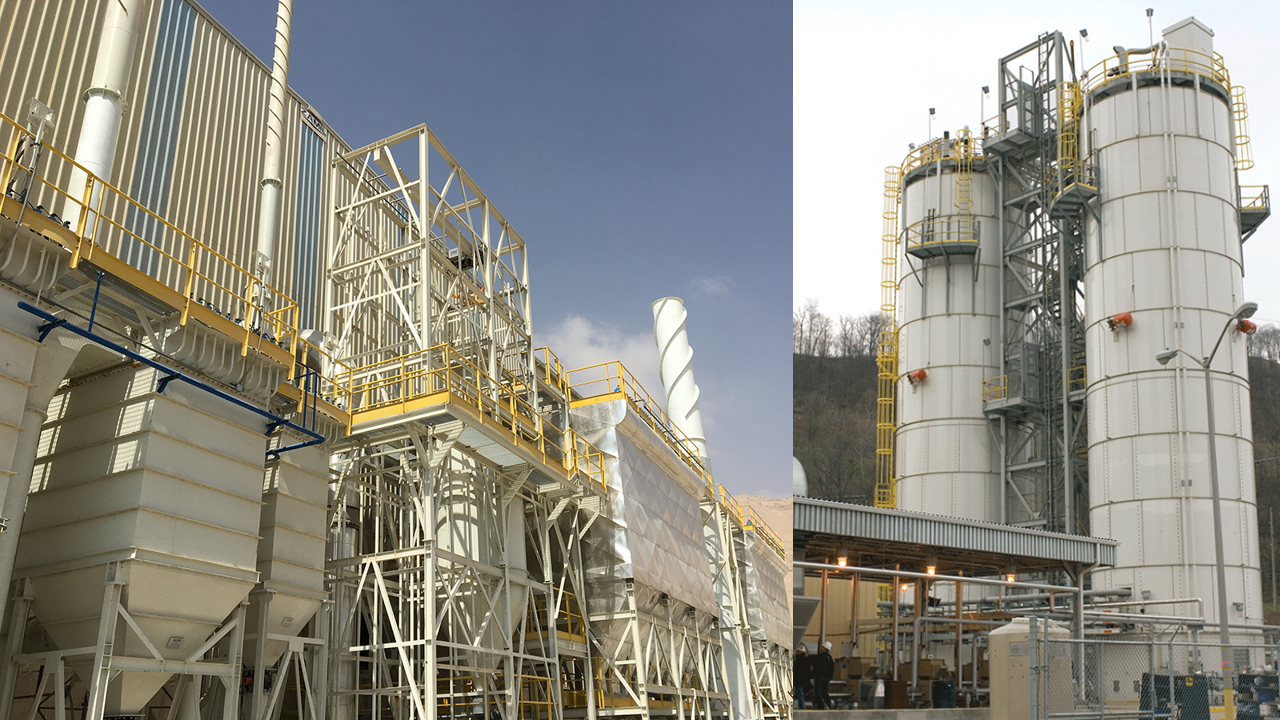
Combating air pollution is a top priority, and industrial facilities like coal-fired power plants, waste incinerators, and industrial boilers are primary sources of acidic pollutants. These facilities emit flue gases containing sulfur dioxide (SO₂) and hydrogen chloride (HCl), which are key contributors to acid rain and respiratory problems. Dry injection technology using Sodium Hydrogen Carbonate has proven to be a highly effective and efficient solution for this critical issue.
How the Process Works
The science is both simple and brilliant. Specially processed, high-purity NaHCO₃ powder is directly injected into the flue gas duct. When exposed to the hot flue gas, the BC Soda undergoes a chemical reaction, decomposing and creating a vast, reactive surface area. It instantaneously neutralizes the acidic gases, converting them into stable, solid salts—sodium sulfate (from SO₂) and sodium chloride (from HCl)—along with water vapor and carbon dioxide.
Key Advantages of This Method
High-Efficiency Purification: This system is remarkably effective, achieving desulfurization rates that can exceed 99%, helping facilities easily meet and exceed ultra-low emission standards.
Operational Simplicity: Unlike complex wet scrubbing systems that require handling liquid slurries and managing wastewater, the dry injection process is straightforward. It eliminates the need for slurry preparation tanks and the subsequent treatment of contaminated water.
Enhanced Safety Profile: The entire process is a “dry-to-dry” system. The reaction products are dry, solid powders that are easily captured by standard baghouse filters. This eliminates the risk of corrosive, wet sludge and prevents secondary water pollution, making handling and disposal significantly safer for personnel and the environment.
Healing Our Land and Water: A Gentle Yet Powerful Environmental Guardian
The utility of bicarbonate of soda for sustainable development extends far beyond air purification. Its gentle yet effective chemical properties make it an ideal agent for cleaning up contaminated water and soil.
Applications in Water Treatment

Effective pH Adjustment: Industrial processes often generate acidic wastewater that must be neutralized before discharge. This alkaline salt serves as an excellent pH adjuster. It acts gradually and safely, unlike more caustic alternatives, bringing the wastewater to a neutral pH without the risk of over-correction, thus ensuring compliance with environmental standards.
Heavy Metal Precipitation: One of the most critical functions in wastewater treatment is the removal of toxic heavy metals. Sodium Hydrogen Carbonate raises the pH of the water, causing dissolved heavy metal ions (such as lead, copper, and cadmium) to form insoluble hydroxide precipitates. These solid particles can then be easily filtered out, effectively purifying the water.
Applications in Soil Remediation

Soils contaminated by acidic spills or heavy metals pose a significant threat to ecosystems and agriculture. Using baking soda for soil remediation offers a gentle technique. By amending the contaminated soil, it can safely raise the pH level, which serves two purposes: it directly neutralizes acidity and reduces the bioavailability of certain heavy metals, making them less likely to be absorbed by plants and enter the food chain. This process helps restore soil health and functionality.
Why This Green Alkali is a Superior Choice
When compared to traditional remediation chemicals like lime (calcium hydroxide), the environmental benefits of NaHCO₃ are clear and compelling.
Safer Handling: Lime is highly corrosive and can pose significant risks to operational staff and equipment. In contrast, this versatile compound is non-toxic, non-corrosive, and safe to handle, requiring less stringent personal protective equipment and reducing workplace hazards.
Greater Process Efficiency: The dry injection system for flue gas treatment responds more rapidly to changes in pollutant load than wet scrubbers. Furthermore, it requires no slaking (mixing with water to create a slurry), simplifying the process and reducing energy consumption. The resulting by-products are also easier and cheaper to manage.
A Truly Cleaner Solution: The avoidance of wet sludge is a major environmental advantage. Traditional methods often create large volumes of hazardous sludge that require costly landfill disposal. The dry process sidesteps this issue entirely, preventing secondary waste problems and supporting a cleaner, more circular waste management approach.

Conclusion: Partnering for a Sustainable Future with the Right Materials
The path to a sustainable future is built on making intelligent, responsible choices. Selecting high-quality, environmental-grade bicarbonate of soda is one such choice—opting for a pollution control solution that is not only powerful and effective but also inherently safer and more environmentally sound.
As a leading manufacturer, we are committed to supporting this transition. We provide global clients with premium BC Soda for environmental remediation that is characterized by its high purity, carefully engineered particle size distribution, and consistent reactivity. These qualities are non-negotiable for ensuring the success and cost-effectiveness of your environmental projects.
Let’s collaborate to harness the simple yet profound power of this green alkali. Together, we can transform this essential compound into a cornerstone of modern sustainable development and a powerful force for protecting our planet for generations to come.