Based on years of customer inquiries from glass manufacturers, detergent producers, and chemical buyers worldwide, we’ve compiled the most frequently asked questions about soda ash light (also known as light soda ash, light ash, or sodium carbonate light). Whether you’re a first-time importer or an experienced procurement manager, these answers will help you make informed purchasing decisions. As a direct manufacturer with 20 years of production experience, we are committed to providing you with the most authentic and professional information.
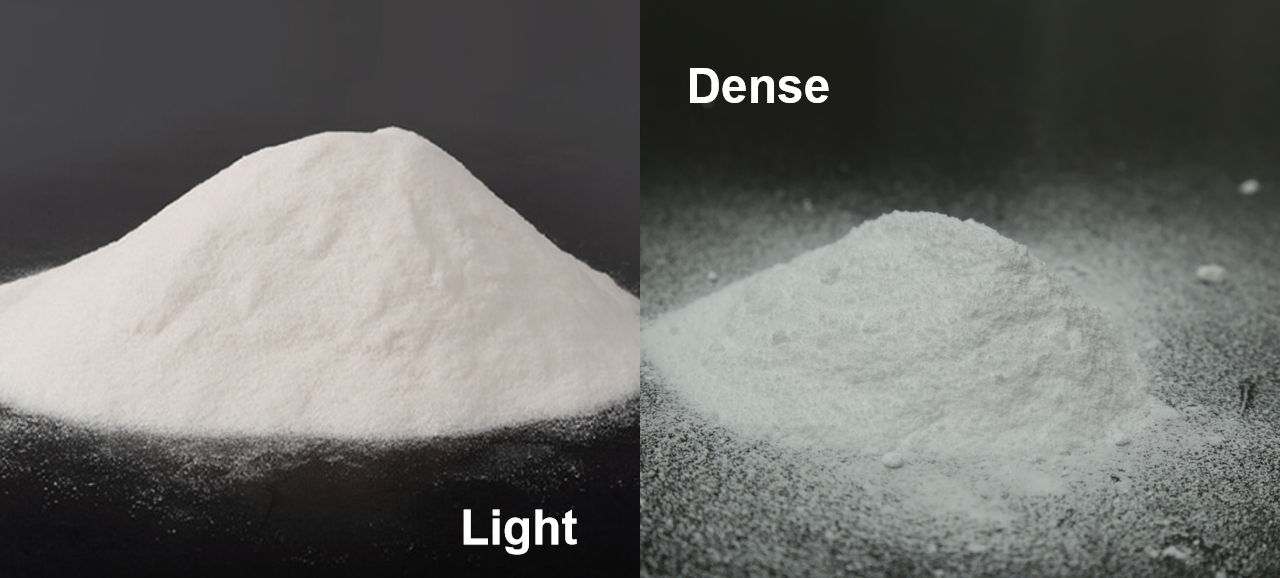
FAQ 1: What is the difference between light soda ash and dense soda ash?
While the primary distinction is bulk density, this physical difference has several practical implications for industrial use.
Light Soda Ash:
Bulk Density: 500-600 kg/m³
Particle Size: Finer powder
Dissolution Rate: Faster dissolution due to higher surface area
Preferred Applications: Detergent manufacturing, textile processing, water treatment, chemical synthesis
Dust Generation: Higher dust potential during handling
Dense Soda Ash:
Bulk Density: 900-1100 kg/m³
Particle Size: Larger, granular
Dissolution Rate: Slower dissolution
Preferred Applications: Glass manufacturing, metallurgy
Dust Generation: Lower dust, better flowability
Bottom Line: Choose light soda ash for applications requiring quick dissolution; choose dense for high-temperature processes where dust control is critical.
FAQ 2: Can I substitute Light for Dense in my production process?
Generally, no—direct substitution is not recommended without process adjustments. The physical form affects material behavior in your equipment:
In glass furnaces: Light ash creates excessive dust, causing raw material loss and potential furnace damage. It may also segregate, leading to inconsistent glass quality.
In detergent production: Light ash is preferred because its porosity absorbs liquid ingredients and rapid dissolution aids spray drying.
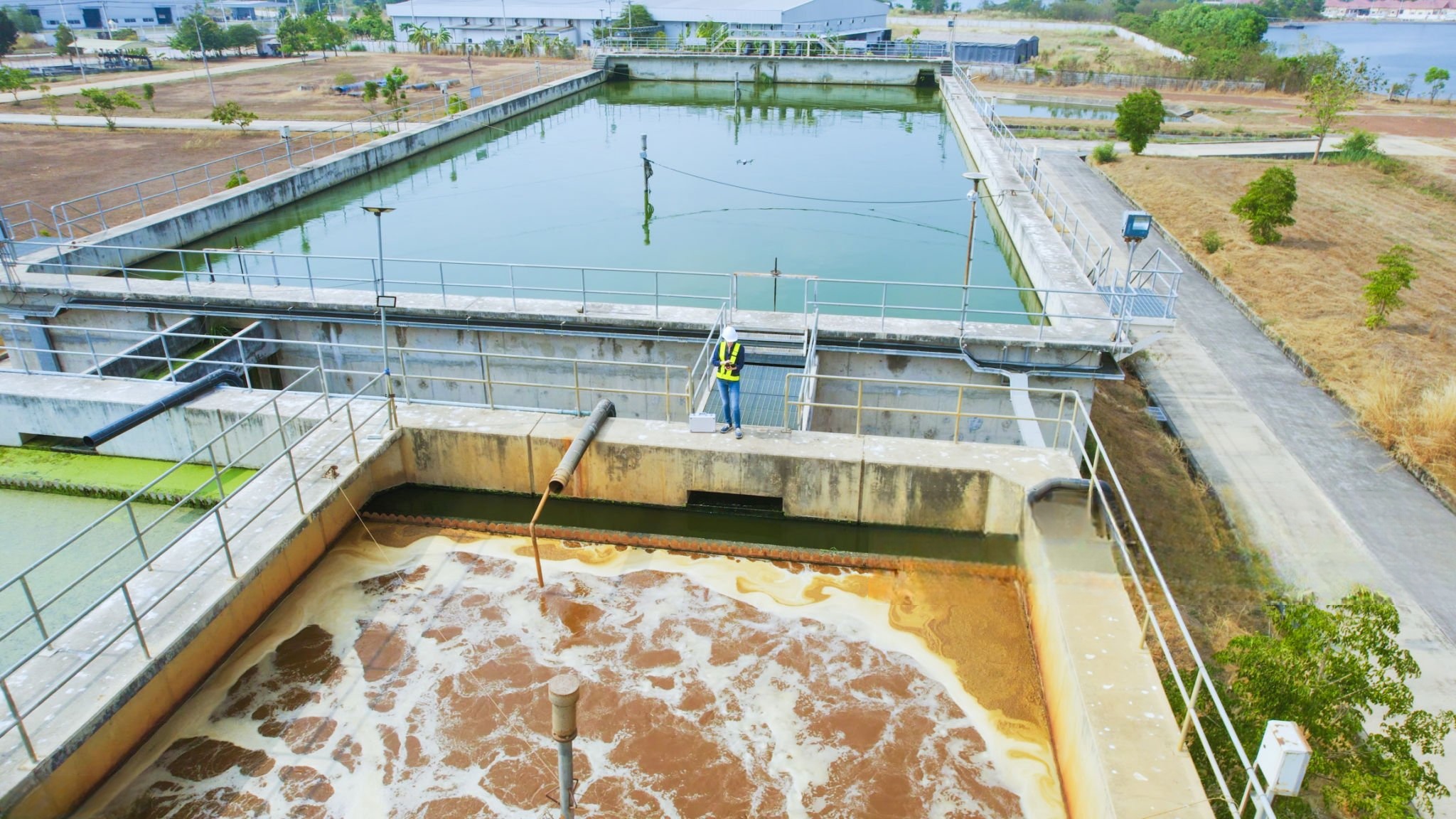
In water treatment: Light ash’s faster dissolution makes pH adjustment more effective.
If you must substitute: Consult your technical team, request samples for trials, and start with small-scale tests before full conversion.
FAQ 3: How do I calculate the total landed cost for light soda ash?
The FOB price is just the starting point. To calculate your true landed cost, factor in:
Cost Components:
FOB Price: Product cost at loading port
Ocean Freight: $1,000-3,000 per 20ft container depending on route
Insurance: 0.1-0.3% of cargo value
Port Handling: Destination charges, documentation fees

Customs Duty: Varies by country (HS Code 2836.20)
Taxes: VAT, GST, or other consumption taxes
Inland Transportation: Port to warehouse
Bank Charges: Letter of credit fees, wire transfers
Sample Calculation (20 MT to Southeast Asia):
FOB Price: $280/MT × 20 = $5,600
Ocean Freight: $2,000
Insurance: $50
Port Handling: $300
Customs Duty (5%): $280
Inland Transport: $400
Total Landed Cost: $8,630 ($431.50/MT)
Always ask suppliers for Incoterms breakdown—FOB, CIF, or CFR—to understand what’s included.
FAQ 4: What is the shelf life of light ash? How should I store it?
Shelf Life: When stored properly, light ash can be kept for 2-3 years without significant quality degradation.
The Biggest Risk: Moisture
Light ash is hygroscopic—it absorbs moisture from the air, causing:
Caking (hard lumps difficult to process)
Partial conversion to sodium bicarbonate
Reduced alkalinity
Storage Best Practices:
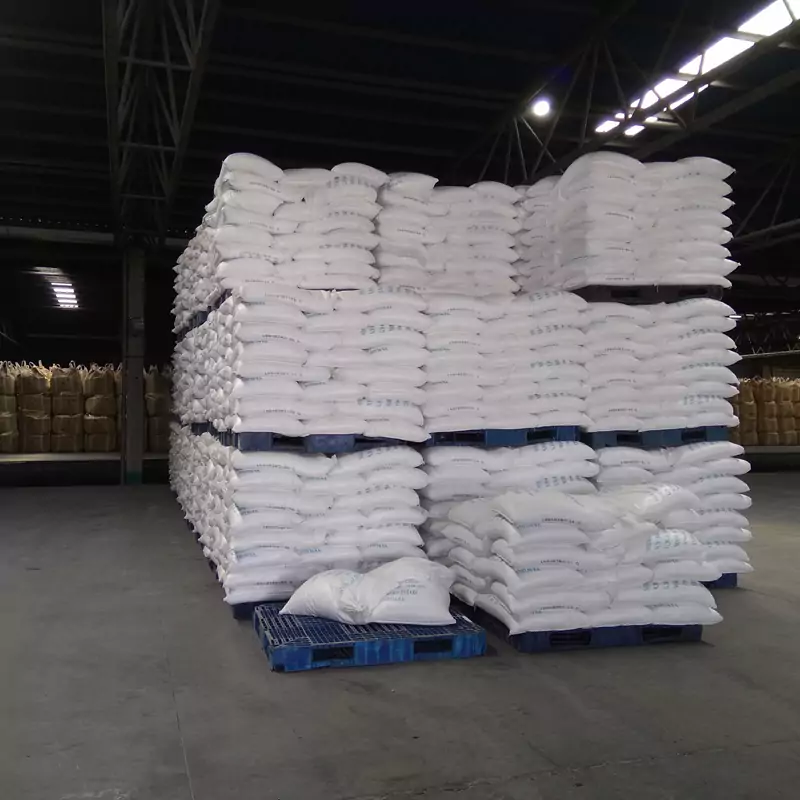
Keep dry: Store in cool, dry warehouse with <60% relative humidity
Off-ground: Use pallets to keep bags off concrete floors
Sealed: Keep bags sealed until use
First-in, first-out: Rotate inventory
Stack height: Limit to 15-20 bags high to prevent compression caking
Warning Signs: Hard lumps, weight increase, reduced performance.
FAQ 5: Is light ash hazardous? What safety precautions are needed?
GHS Classification: Light ash is classified with the hazard statement H319 – Causes serious eye irritation. Not classified as carcinogenic, mutagenic, or environmentally dangerous.
Required PPE:
Eyes: Safety goggles or face shield (EN166 compliant)
Skin: Impervious gloves (nitrile recommended)
Body: Protective clothing
Respiratory: Dust mask (P95) in dusty environments
First Aid:
Eye contact: Rinse with water for 15 minutes. Seek medical attention.
Skin contact: Wash with soap and water.
Inhalation: Move to fresh air.
Ingestion: Do NOT induce vomiting. Rinse mouth. Seek medical attention.
Always request the Material Safety Data Sheet (MSDS) before first purchase.
FAQ 6: How do manufacturers ensure quality consistency for bulk orders?
As a direct manufacturer, we maintain full control over product quality and supply stability:
Production Capacity:
Annual capacity: 100,000 tons soda ash (30,000 tons light ash)
Multiple production lines for flexible order allocation
Year-round safety stock for urgent orders
Quality Control System:
ISO 9001 certified
Full-process inspection from raw materials to finished goods
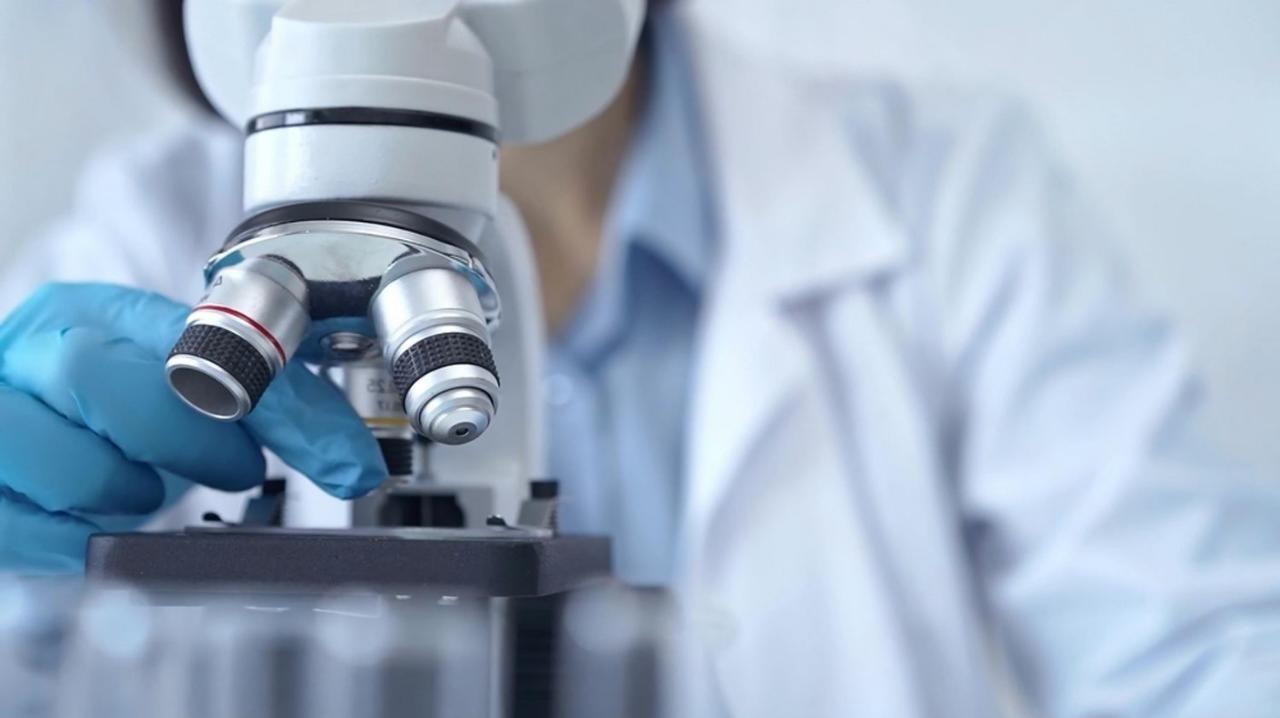
Advanced testing equipment: XRF, ICP, automatic titrators
Supply Stability:
Long-term agreements with raw material suppliers
Backup generators for power outages
Multiple logistics partners
Peak-season allocation prioritizing long-term clients
Certifications: COA with each shipment; third-party reports (SGS, BV) available; REACH, FDA compliance documents as needed.
Working directly with a manufacturer ensures stable quality, reliable supply, and professional technical support.
FAQ 7: What are typical MOQ and lead times for light soda ash?
Minimum Order Quantity
FOB shipments: 10-25 metric tons (one 20ft container holds 20-25 tons)
Trial orders: 1-5 tons for first-time buyers
LCL: Available but less common due to contamination risks
Lead Times
Existing stock: 7-15 days after confirmation
Production required: 15-30 days after confirmation
Factors Affecting Lead Time
Production schedule
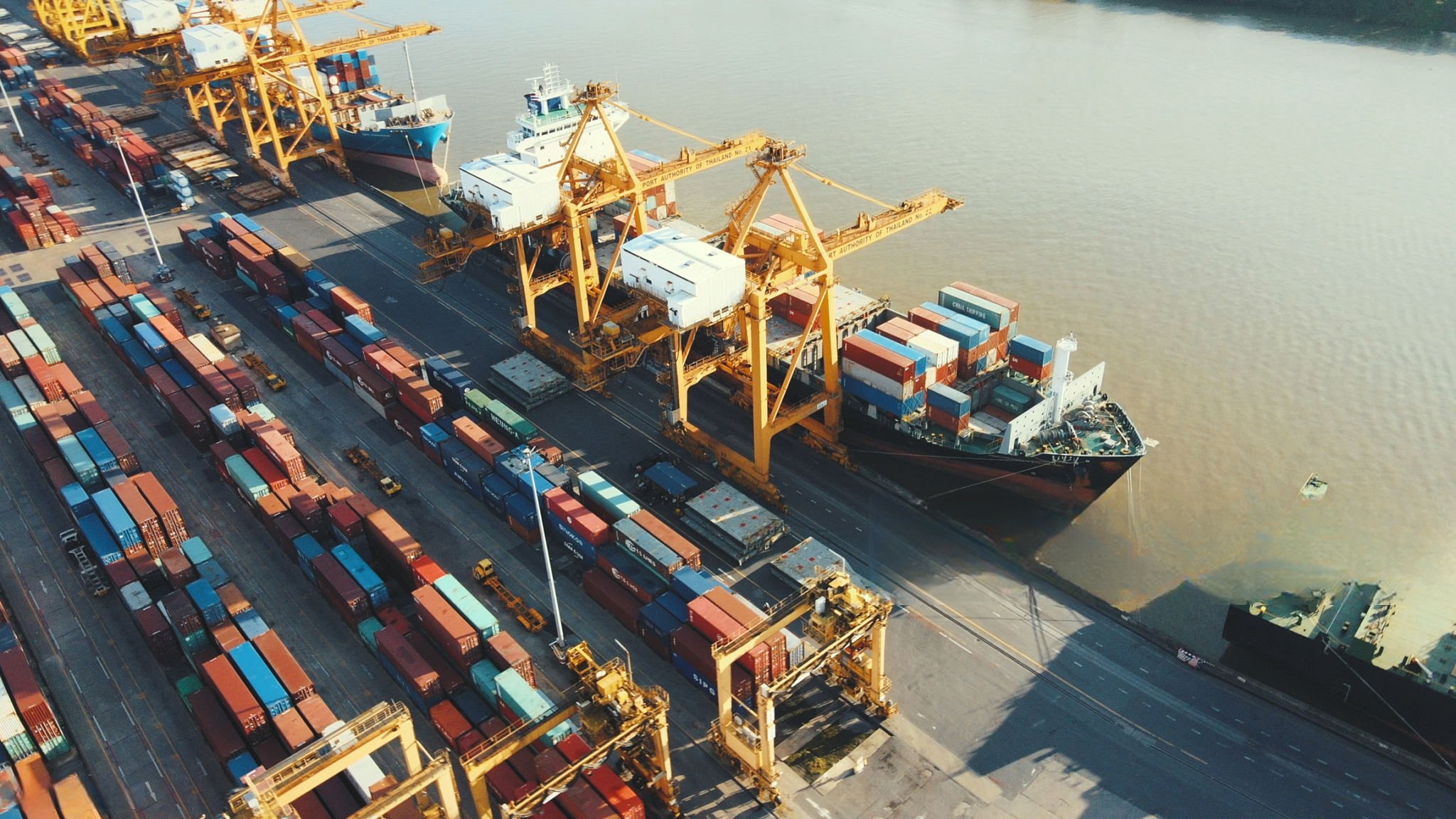
Port congestion and shipping availability
Customs clearance
Seasonal demand peaks (Q4 before Chinese New Year)
Our Commitment
MOQ 21 tons for standard grades; lead time 10-15 working days; flexible quantities for loyal customers.
FAQ 8: How do you handle quality complaints or discrepancies?
Prevention First
Batch-specific COA with every shipment
Third-party inspections welcome (SGS, BV)
Sealed samples retained
If Issues Arise
Buyer notifies with photos, documents, retained samples
We acknowledge within 24 hours
Joint sampling at your warehouse with third party (5-7 days)
Lab analysis comparing to COA and samples (5-10 days)
Negotiate resolution based on findings

Possible Resolutions
Replacement product
Credit toward next purchase
Partial refund (minor deviations)Full refund + return (major non-conformance, less common)
FAQ 9: Do you offer custom packaging for light ash?
Yes, custom packaging is available with higher MOQs.
Standard Options
25kg PP bags with PE liner (most common)
50kg PP bags
Jumbo bags: 500kg, 750kg, 1000kg, 1250kg
Palletized, shrink-wrapped
Customization Options
Private label: Your logo printed (MOQ 5-10 tons)
Custom bag color: (MOQ 10-20 tons)
Moisture-proof liner: Enhanced protection (MOQ 5 tons)
Bar coding: For inventory tracking (MOQ 10 tons)
Specific bag size: e.g., 40kg (MOQ 20 tons)
Why Customize?
Brand recognition builds customer trust; special liners protect in humid climates; specific sizes match your batching.
Our Capability
Full customization with MOQ 20 tons for printed bags.
FAQ 10: What affects light ash prices? Current market trends?
Price Range (Early 2026): $155-420 USD/MT FOB China, depending on grade, quantity, packaging.
Key Price Determinants
Purity grade: Premium (99.5%+) commands higher price
Order volume: Larger orders = lower per-unit price
Packaging: Jumbo bags more economical
Seasonality: Prices rise before Chinese New Year
Energy costs: Production is energy-intensive
Environmental policies: Production restrictions during pollution peaks
Transportation: Ocean freight fluctuations
Recent Trends (2025-2026)
2025 Q3: Stable market, moderate demand
2025 Q4: Slight upward pressure from pre-holiday stockpiling
2026 Q1: Post-holiday adjustment, increased supply
Price by Grade (FOB China)
Industrial Grade (99.2%): $155-280/MT
Premium Industrial (99.5%+): $280-350/MT
Food Grade: $350-420/MT
For current pricing, contact us with your requirements.
Conclusion
We hope this FAQ has addressed your key questions about soda ash light. At YRC, we are not just a manufacturer—we are a long-term partner you can trust. From raw materials to finished products, we control every step to provide you with the highest quality products and the most reliable service.
Still have questions? Contact our technical sales team:
Email: karen@yrcexport.cn
Phone/WhatsApp: +8617715506502
Live chat: Visit our website

Ready to order?
Request a quote with your specifications:
Quantity needed
Target purity (99.2% or higher)
Preferred packagingDestination port