
In the highly engineered world of viscose fibre production, the quality of your raw materials defines your final product. Among these, Viscose Grade Sodium Sulfate Anhydrous (also known as Disodium Sulfate) plays a pivotal role, and its pH value emerges as a fundamental quality indicator. This is not a mere data point on a certificate of analysis; it is a critical metric of chemical purity and process compatibility that directly impacts production efficiency and fibre quality. For manufacturers demanding excellence, understanding and specifying the pH of this essential compound is non-negotiable. It serves as the bedrock for smooth spinning operations, minimized production downtime, and the consistent achievement of high-tenacity, premium-quality fibres. This article delves into why pH is so pivotal for Na₂SO₄, outlines the definitive method for its accurate measurement, and explains how a stringent focus on this single parameter can safeguard your entire production line.

Why pH is a Process-Critical Metric
In the context of Viscose Grade anhydrous sodium sulphate, pH transcends a simple purity check. It is a direct reflection of the material’s chemical inertness and its suitability for the sensitive viscose process.
The Foundation of Process Stability
The viscose process involves a delicate chemical ballet. Cellulose xanthate is extruded into an acidic coagulation bath, where it regenerates into solid fibre. A neutral pH in this key auxiliary chemical is essential because it ensures the compound remains inert within this complex system. Any significant acidity or alkalinity can disrupt the precise chemistry of the coagulation bath, leading to inconsistent regeneration rates. This instability manifests physically as increased filament breaks, higher downtime, and reduced operational efficiency.
An Early Warning Signal for Impurities
A deviation from a neutral pH is a primary red flag for the material. An acidic pH often suggests the presence of residual acidic impurities like sodium bisulfate. Conversely, an alkaline pH can indicate contaminants such as sodium carbonate. These impurities are not benign; they can act as catalysts, promoting the undesirable degradation of cellulose chains during processing. This compromises key fibre properties, including whiteness, consistency, and mechanical strength, leading to substandard batches.
A Guarantee of Final Product Quality
Consistency at the source is paramount. By controlling pH stability in the dried sodium sulfate raw material, manufacturers create a predictable foundation for the entire production line. This control is a prerequisite for producing viscose fibre with consistent luster, superior tenacity, and a reliable handle. It eliminates a major source of variability, ensuring that every batch meets the high standards expected in the market.
Precision Measurement: The Industry-Standard Protocol
Reliable quality control is built on reproducible, standardized methods. To obtain accurate and trustworthy pH data for Viscose Grade Sodium Sulfate Anhydrous, adhering to a strict protocol is essential.
Core Requirements for Accurate Testing
Precision pH Meter: An instrument with a minimum accuracy of ±0.01 is mandatory.
Standard Buffer Solutions: Fresh, certified buffers, typically at pH 6.86 and 9.21, for precise two-point calibration.
High-Purity Water: The use of high-purity deionized or distilled water with a conductivity of less than 1 µS/cm is critical to prevent contamination and false readings.
The Step-by-Step Measurement Protocol
Calibration: Before any measurement, the pH meter must be meticulously calibrated using the two standard buffer solutions. This step establishes an accurate baseline and is the most critical factor in obtaining valid results.
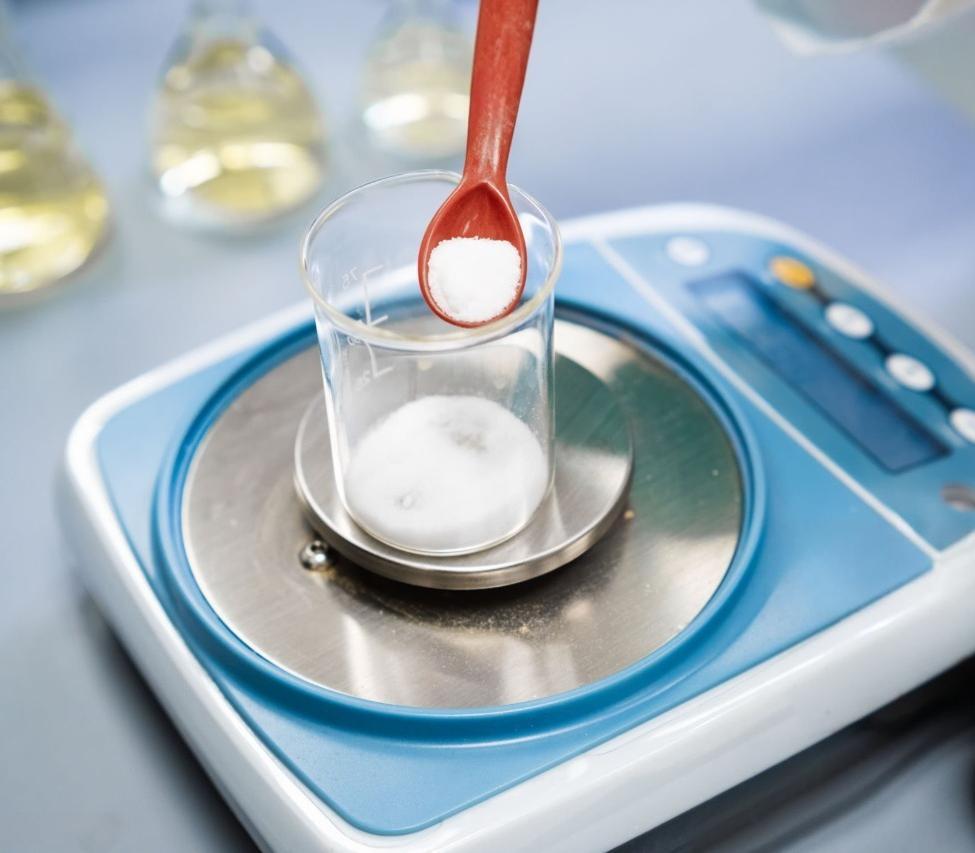
Solution Preparation: Precisely weigh 10.0 grams of the Viscose Grade sample. Dissolve this in 250 mL of high-purity water to create a uniform 4% (weight/volume) aqueous solution. Ensure complete dissolution.
Reading and Recording: Immerse the calibrated electrode into the prepared solution. Allow the reading to stabilize fully under consistent conditions (e.g., without vigorous stirring that could introduce carbon dioxide). Record the stable pH value.
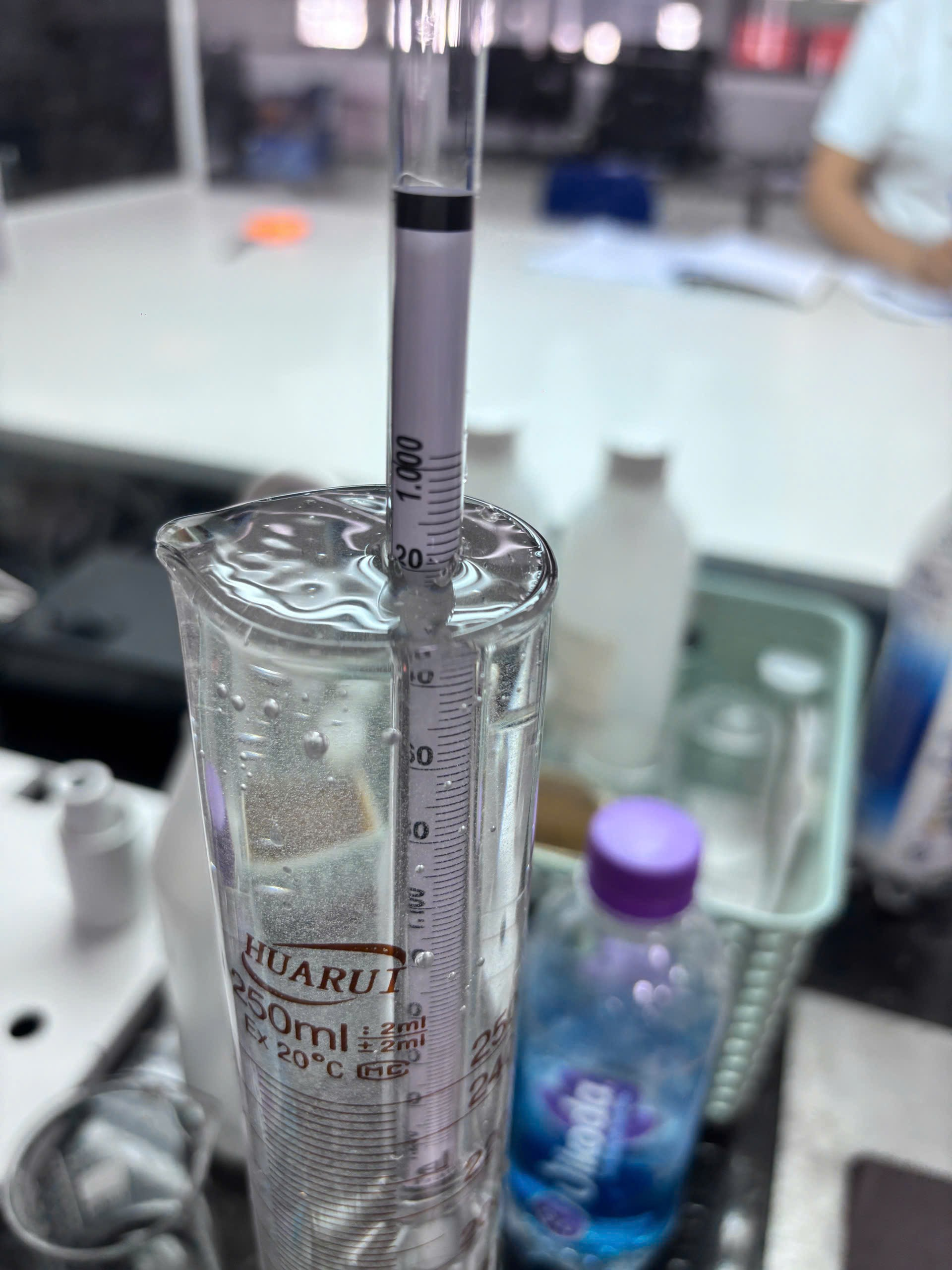

Definitive Data: As shown, a high-quality batch of this vital viscose auxiliary yields a measurement that stabilizes at pH 6.86, perfectly aligning with the stringent requirement for chemical neutrality in viscose applications.
Interpreting the Data: The Inherent Value of pH 6.86
For a seasoned professional, the value of pH 6.86 extends far beyond a number on a screen. It encapsulates performance and reliability.
Absolute Process Compatibility
A pH of 6.86 signifies a chemically neutral product. This means the salt cake can be integrated seamlessly into the viscose spinning process without introducing any disruptive acidic or alkaline influences. It acts as a predictable component, not a variable that requires compensatory adjustments elsewhere in the process.
Predictable Production Performance
This optimal pH value guarantees process controllability. It forms the basis for efficient and stable operation, allowing manufacturers to maintain tight control over other spinning parameters. This predictability is the cornerstone of high yields, consistent quality, and reduced waste.
YRC: A Manufacturer’s Commitment to Critical Metrics
At YRC, we operate on a fundamental principle: for viscose-grade raw materials, there are no minor specifications. The pH value of our Sodium Sulfate Anhydrous is treated as a critical metric, receiving the highest level of scrutiny and control.
Metrics-Driven Quality Control
pH measurement is not an optional test; it is a mandatory and non-negotiable check for every batch release. Our internal specifications enforce a strict neutral range, ensuring that the product you receive is consistently within the optimal parameters for your production.

Consistency You Can Build Upon
We understand that you are not just purchasing a chemical; you are investing in a predictable outcome for your process. Our commitment to rigorous pH control means we deliver not just a product, but reliable, consistent performance with every shipment. This commitment provides our clients with the peace of mind that comes from a stable and trustworthy supply chain.
Call to Action
Your viscose production line is a significant investment that deserves raw materials without compromise. Do not let an uncontrolled variable like pH introduce risk and variability into your sophisticated process.

Contact us today to request your free sample of Viscose Grade Sodium Sulfate Anhydrous and comprehensive quality dossier. See for yourself how a unwavering commitment to a critical metric translates into tangible superior performance for your business.