
Sourcing anhydrous sodium sulfate seems simple: confirm purity, negotiate price, arrange shipment. But after two decades as a dedicated manufacturer, we have seen too many buyers suffer from production stoppages, quality complaints, or even entire rejected containers – all because of seemingly minor mistakes. Here are seven frequent procurement traps and how to avoid them.
Mistake 1: Focusing Only on Purity While Ignoring Impurity Type
Many managers fixate on “Na₂SO₄ ≥ 99%” without asking: what is in the remaining 1%?
Real case: A textile dyer bought 99.5% high-purity sodium sulfate but got brown stains on white fabric. The culprit – 0.08% ferric ions (Fe³⁺). The supplier’s COA only listed total purity, not iron content.

Correct approach: Request a full impurity profile (iron, calcium, magnesium, chlorides, moisture, insolubles). Tailor requirements to your process – glass cares about sulfur and carbon; detergents about whiteness and particle size; battery recycling about heavy metals. Periodically use an independent lab.
Mistake 2: Overlooking Particle Size Distribution
Assuming “sodium sulfate is just white powder” leads to operational headaches.
Two extremes: Too fine (>30% fines) causes dusting, static hazards, and clogged automated systems. Too coarse (>15% on +40 mesh) leaves undissolved residues and batch inconsistency.
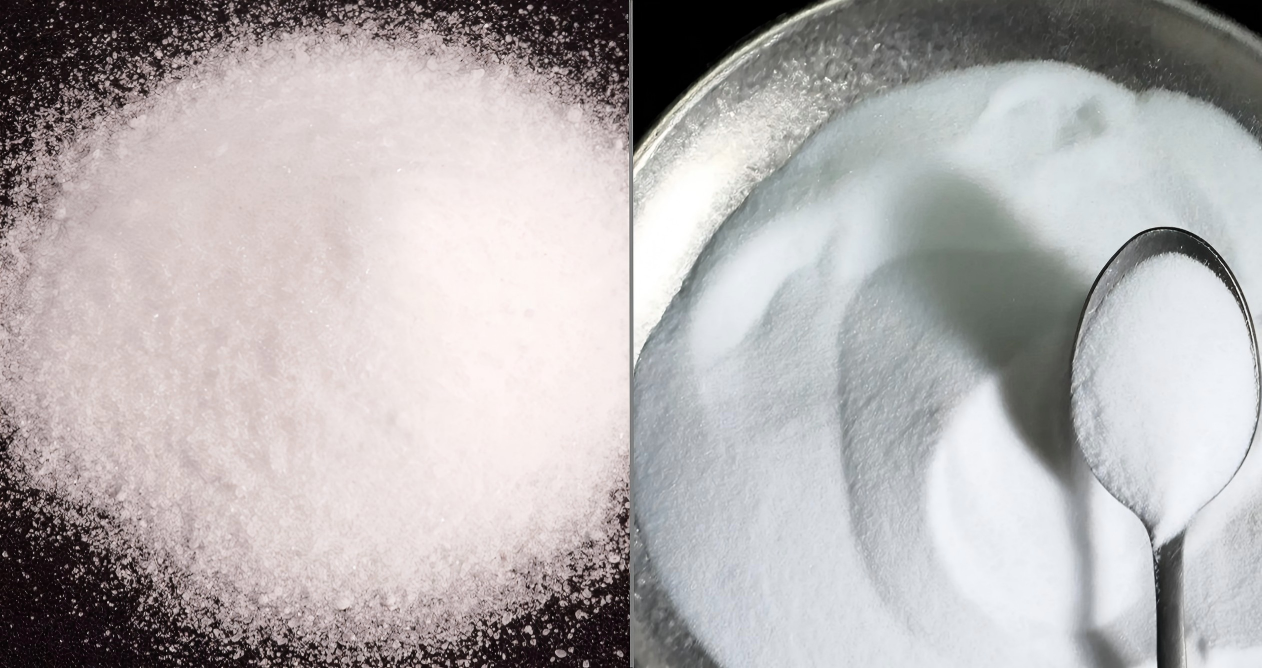
Correct approach: Specify targets in your contract (e.g., through 40 mesh ≥90%; through 100 mesh ≤30%). Request laser diffraction reports, not visual checks.
Mistake 3: Not Verifying Packaging Moisture Protection
Sodium sulfate is hygroscopic. Sea freight from China to Europe or the Americas takes 30–50 days through high heat and humidity.
Consequences: Ordinary woven bags without liners allow moisture ingress → product cakes into hard lumps. Even if broken, flowability deteriorates and automatic dosing systems keep alarming.
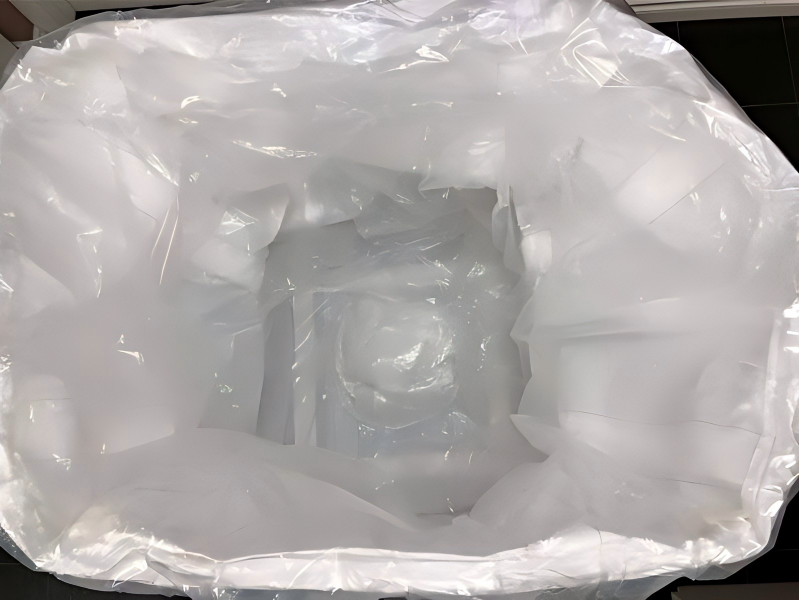
Correct approach: Require PE-lined bags or aluminum foil + PE inner for humid routes. Specify double-layer packaging with tight sealing. For containers, use desiccants and control loading temperature to avoid condensation.
Mistake 4: No Re-test Clause for Moisture
Mill certificate shows 0.3% moisture, but arrival test shows 0.8% – not fraud, just moisture gain during transit.

Correct approach: State in contract that third-party inspection at destination port governs moisture acceptance (or agree on allowable increase, e.g., ≤0.5%). Define penalties. Keep sealed mill samples for arbitration.
Mistake 5: Comparing Only Unit Price, Ignoring Landed Cost
Many buyers pick the lowest price per ton, but logistics cost is significant.
Hidden costs: Ocean freight differences, inland drayage, detention/demurrage, insurance, duties and VAT.

Example: Supplier A: $120/ton + $30 inland + $80 ocean = $230 landed. Supplier B: $130/ton + $10 inland + $65 ocean = $205 landed. B is cheaper delivered.
Correct approach: Request EXW, FOB, CIF, DDP quotes. Calculate landed cost with a freight forwarder.
Mistake 6: Treating “Single Source” as Automatically High-Risk
Many guidelines preach “never rely on one supplier” – but that is a lazy rule. The real question is not how many suppliers you have, but whether the one you have is truly reliable.
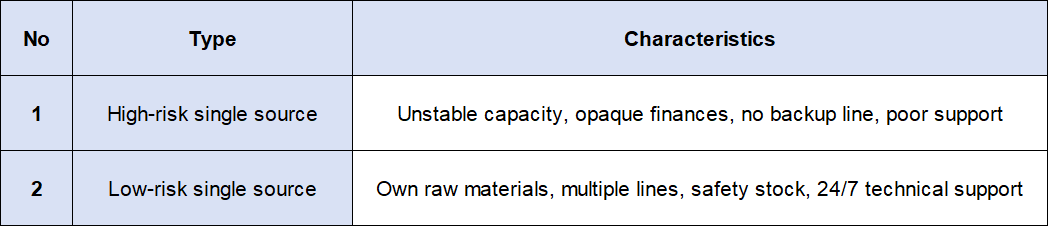
If you find a manufacturer like us – with 5-batch COA consistency, third-party audits, strategic inventory, and 2-hour response – single-sourcing is the most efficient, lowest-cost strategy. You don’t need a second source.

Correct approach: Evaluate your supplier rigorously. If excellent, deepen the relationship with annual agreements and price locks. If not, replace them – two unreliable suppliers do not equal one reliable system.
Mistake 7: Ignoring Batch-to-Batch Consistency
Some suppliers deliver perfect samples and first two batches, but the third batch shows variation – coarser particles, lower whiteness, higher impurities.
Consequences: For continuous processes (glass melting, pulp digesting), variation causes unstable quality and equipment damage.
Correct approach: Request COAs for the last five consecutive batches to observe means and deviations. Specify batch consistency limits (e.g., iron variation ≤0.01%). For long-term customers, consider third-party loading supervision or retain samples.
Conclusion: Smart Procurement Is About the Most Reliable Long-Term Partner
Sodium sulfate may seem like a simple commodity, but every detail – impurity type, particle size, packaging moisture, transit conditions, supplier reliability, batch consistency – impacts your production line.
True procurement wisdom is not managing multiple suppliers in a balancing game. It is finding one truly reliable manufacturer and building a long-term relationship.
As a 20-year export manufacturer, we earn your sole-supplier status through transparent production, rigorous quality systems, and proactive technical service.

Take action now
Request your free Sodium Sulfate Procurement Checklist, latest COA and 5-batch data, or inquire about a long-term strategic partnership. Contact our technical sales team – make your next procurement smarter and more secure.