You have read the specifications. You have compared prices. You are ready to place your first order for soda ash light.
But wait.
Many first-time buyers walk into procurement with assumptions that cost them thousands of dollars – or worse, disrupt their production lines. At YRC, we have worked with global buyers across Southeast Asia, Africa, and South America, and we see the same misconceptions again and again.
This article busts five of the most common myths about soda ash light procurement. Read this before you sign your next contract.
Myth #1: “Higher purity is always better.”
What buyers think: 99.5% purity must be superior to 98.5% purity. Always buy the highest purity.
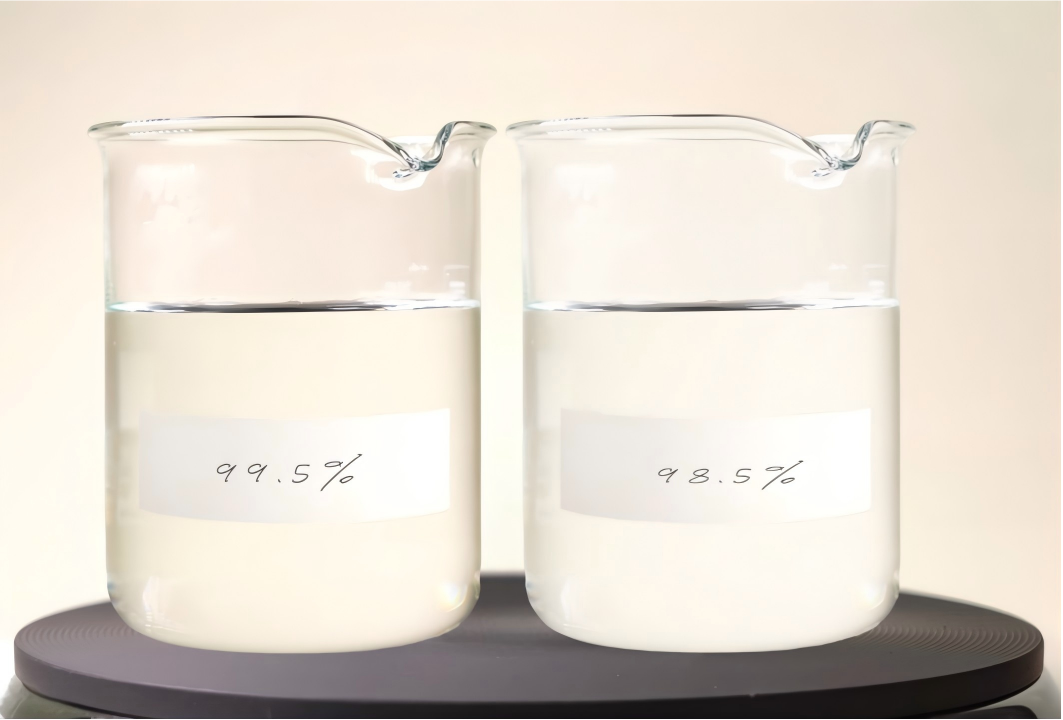
The truth: For many applications – pH adjustment in water treatment, flue gas desulfurization, or general detergent manufacturing – the difference between 99.2% and 98.5% total alkalinity is negligible. Yet the price difference can be 5–10% or more.
Where purity actually matters:
High-end glass (optical glass, display panels)
Lithium carbonate for EV batteries
Food-grade or pharmaceutical uses
Chemical synthesis sensitive to trace impurities
Smart tip: Match purity to your actual process needs. Do not pay a premium for purity you do not need. Ask for a COA and check if impurities like chloride or iron affect your specific use case.
Myth #2: “The lowest price is always the best deal.”
What buyers think: Choose the lowest price per ton. Raw materials are commodities – cheaper means better margin.
The truth: The lowest unit price often comes with hidden costs that make it the most expensive option overall.
Hidden costs of cheap soda ash light:
Inconsistent quality: Batch variation forces formula adjustments → wasted time and rejects.
Poor packaging: Bags tear in transit → product loss and contamination.
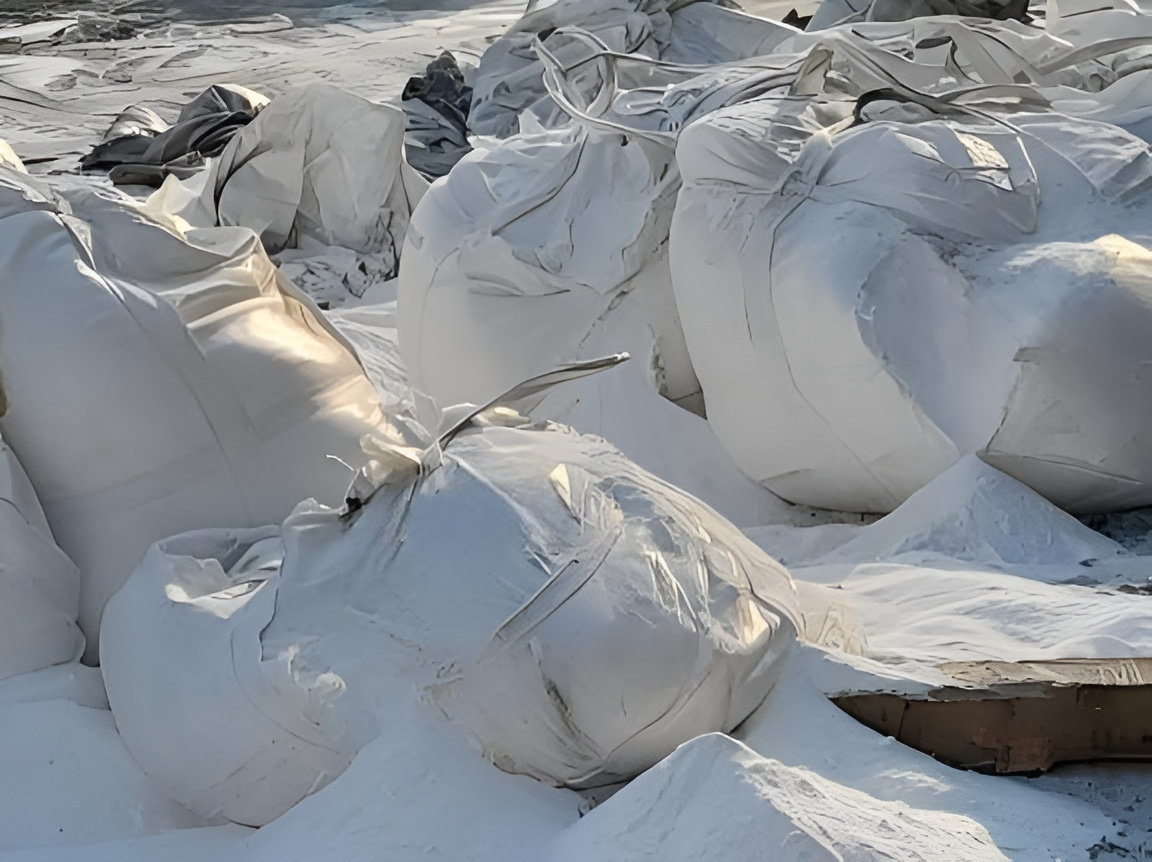
Caking tendency: Higher moisture or poor anti-caking treatment → blocks feeders.
Unreliable supply: Cheap suppliers delay shipments when prices rise → production stoppage.
No after-sales support: No one answers when you have quality complaints.
Real example: A detergent manufacturer chose a supplier 15/ton cheaper. The first shipment caked badly in their silo, causing 8 hour production downtime and 12,000 in lost output. The $1,500 “saving” cost them eight times that.
Smart tip: Calculate total cost of ownership (TCO) – not just price per ton. Factor in reliability, packaging, consistency, and supplier responsiveness. Sometimes paying $5–10 more per ton is the real bargain.
Myth #3: “All white powders that look similar are the same quality.”
What buyers think: Soda ash light is a white powder. If it looks white, it must be fine.
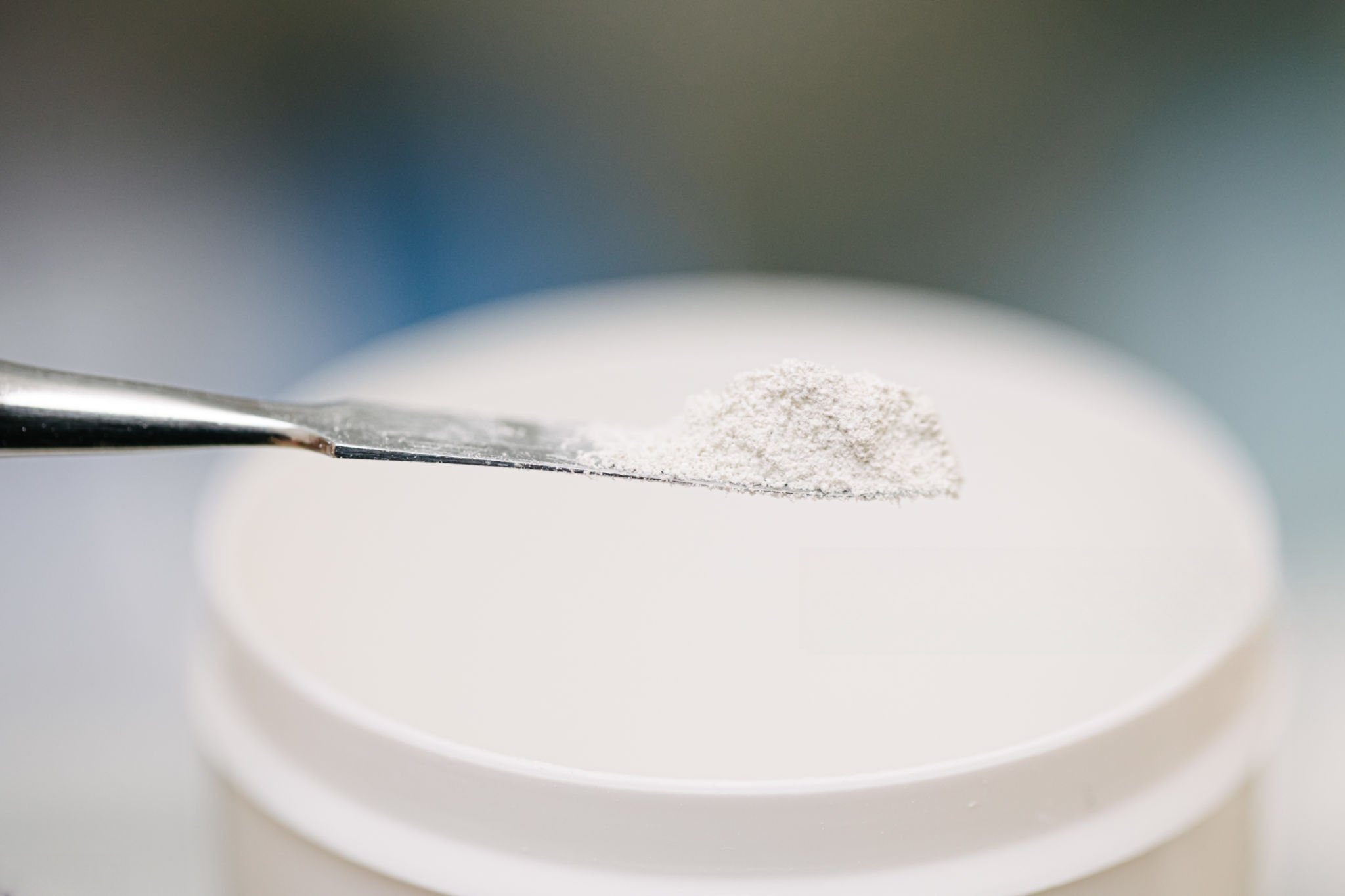
The truth: Whiteness is a visual indicator of impurities. Off-white or greyish material often contains higher levels of iron compounds, insoluble matter (silica, clay), or residual salts. Some suppliers even use optical brighteners to mask poor quality – a white appearance does not guarantee high purity.
What to do instead:
Request a sample and compare with a reference from a reputable source.
Spread powder on white paper and look for black specks or discoloration.
Dissolve in distilled water (1% solution) – a cloudy or coloured solution indicates insoluble impurities.
Ask for a third-party lab test for iron content and whiteness (reflectance).
Smart tip: For critical applications like transparent glass or food contact materials, always verify whiteness and iron content through lab analysis – not just visual inspection.
Myth #4: “Buying larger quantities always saves money.”
What buyers think: Per-ton price drops as volume increases. A full container or multiple containers is always cheaper long-term.
The truth: While unit price may be lower, total cost often increases with oversized orders.
Hidden costs:
Storage: Warehouse space costs money. Soda ash light is hygroscopic – improper storage leads to caking and waste.
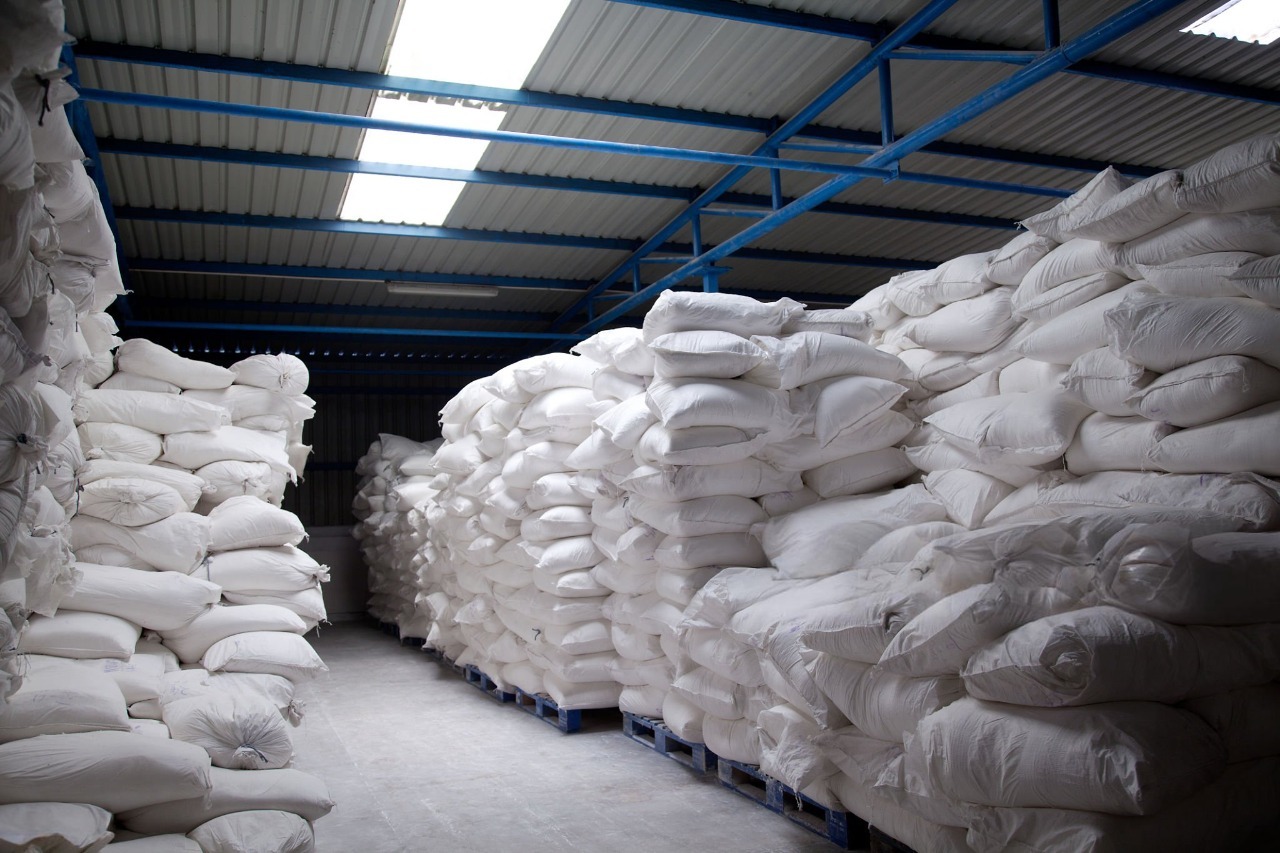
Quality degradation: After 3–6 months in humid conditions, caking makes handling difficult. Total alkalinity can decrease slightly due to carbonation and moisture.
Cash flow: Tying up capital in 6 months of inventory reduces flexibility.
Risk exposure: If prices drop, you are locked in. If production slows, you have aging material.
Smart tip: Calculate economic order quantity (EOQ) based on monthly consumption, storage cost, and lead time. Ordering 2–3 months of supply at a time typically balances unit cost and risk.
Myth #5: “Soda ash light can be stored indefinitely without losing effectiveness.”
What buyers think: It is a stable inorganic chemical. Buy a large quantity, store it, and use it even a year later.
The truth: Soda ash light does not have a fixed expiry date, but its quality does degrade under normal warehouse conditions. Three things happen:
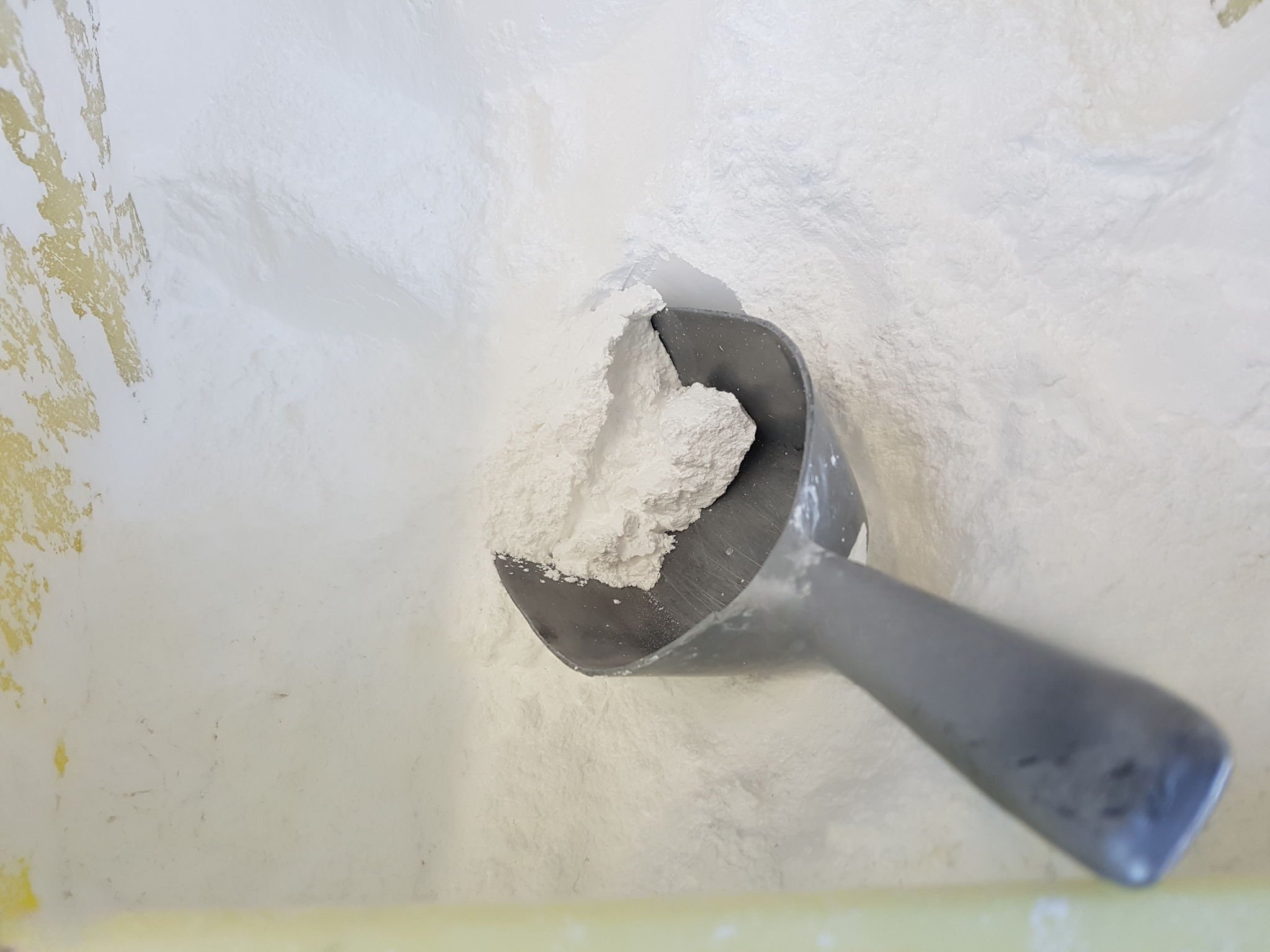
Moisture absorption (hygroscopy): Leads to caking, increased bulk density, and potential dissolution issues.
Carbonation reaction: With CO₂ in air, some sodium carbonate converts to sodium bicarbonate (baking soda), which has lower alkalinity.
Contamination risk: Dust, pests, and cross-contamination from other materials.
Recommended storage life:
Sealed, low humidity (<50% RH), stable temperature: 6–12 months
Standard warehouse (60–70% RH, some variation): 3–6 months
Humid or poorly sealed: 1–3 months
Signs of degradation: Hard lumps, off-white/greyish colour, slower dissolution, lower pH of 1% solution (fresh should be ~11.3–11.6).
Smart tip: Practice FIFO (First In, First Out). Do not stock more than 3–6 months of supply unless you have climate-controlled storage. Test old inventory before use.
Conclusion: Buy Smarter, Not Harder
Soda ash light is a commodity, but commodity procurement is not simple. The difference between a smooth supply chain and a costly headache often comes down to asking the right questions – and avoiding these five myths.

Your action checklist before your next order
Match purity to your actual needs – do not over-specify.
Look beyond the lowest price – calculate total cost of ownership.
Verify quality with physical checks and, if needed, lab tests.
Calculate the true cost of large inventories.
Remember: soda ash light does not last forever – manage stock rotation.
At YRC, we do not just sell soda ash light. We help buyers make informed decisions that protect their production and their bottom line.
Have questions about your specific application? Contact our technical team – we will help you choose the right specification or walk you through quality verification.