When sourcing industrial auxiliaries, sodium sulfate anhydrous – also known as thenardite, salt cake, or simply Na₂SO₄ – and sodium chloride (NaCl, common salt) look surprisingly similar: both are white crystals, both are sodium salts, and both are affordable. But their differences in chemical behavior, equipment impact, and final product quality are dramatic. Choosing the wrong one can reduce efficiency, damage reactors, or even ruin entire batches. This article compares them head-to-head to help you make a scientific and economical procurement decision.
Why the Confusion? Similar Surface, Different Inside
Many purchasers ask: “Since both are sodium salts, can I replace thenardite with cheaper sodium chloride?” The answer is usually no – or only with extreme caution. The chemical differences between these two compounds become critical under specific temperature, pH, and impurity conditions. Getting it wrong affects not only product quality but also your production cost, equipment lifespan, and environmental compliance.

Head-to-Head: Chemical Properties That Matter
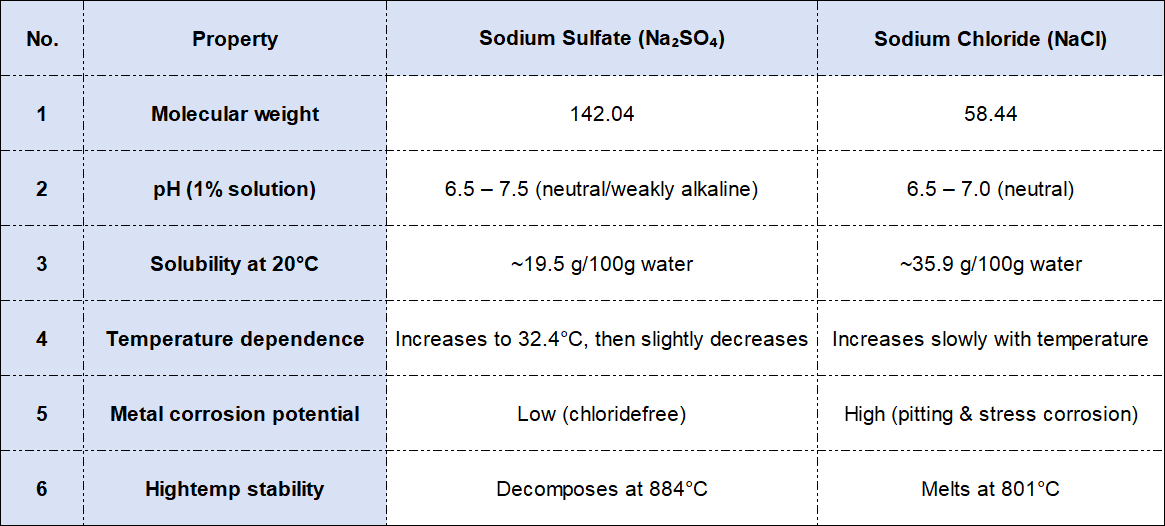
Key takeaways
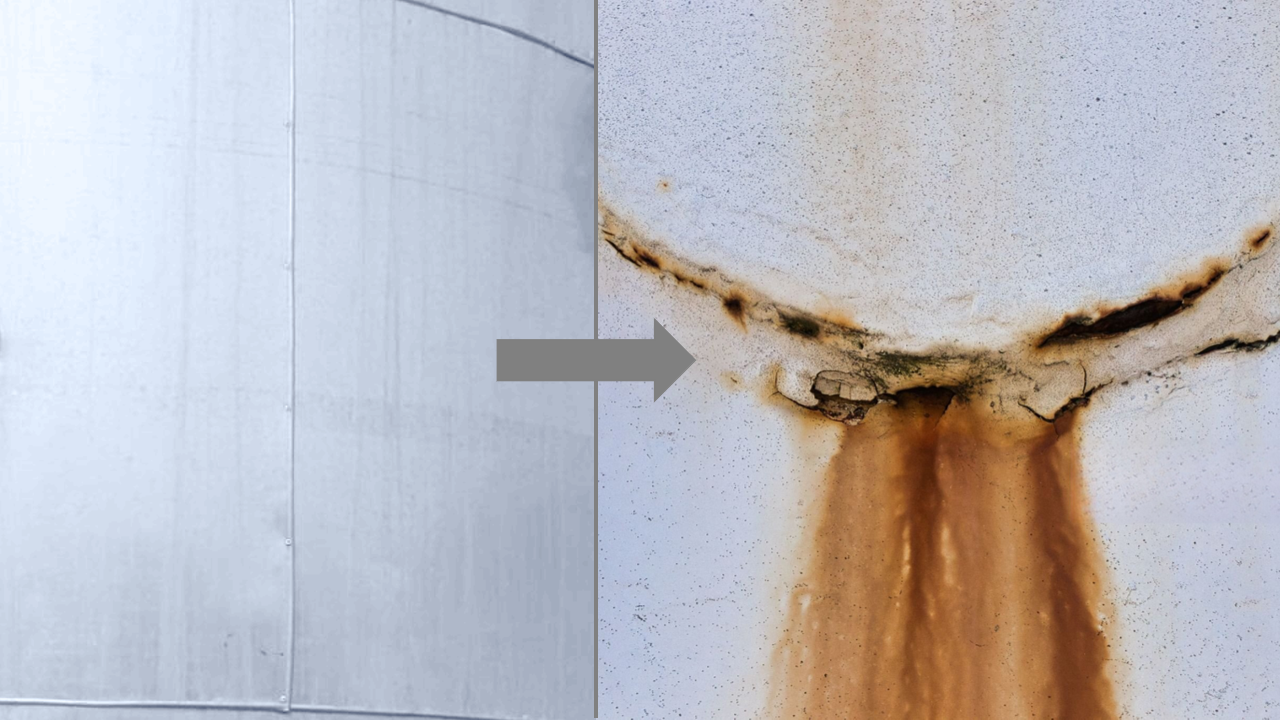
Chloride is a hidden killer: Chloride ions penetrate stainless steel passive layers, causing pitting or stress corrosion cracking in reactors, pipes, and heat exchangers, especially at high temperature or under residual stress. Sodium sulfate anhydrous contains no chloride and is much safer.
Different solubility behavior: Thenardite’s unique solubility curve (peak at 32.4°C) is exploited in Glauber’s salt processes. NaCl solubility is monotonic.
Application Face-off: Three Key Industries
Textile Dyeing: Leveling vs. Uneven Dyeing
Disodium sulfate acts as a leveling or migrating agent for reactive and direct dyes. It controls dye uptake, ensuring uniform color without spots or shading, and does not damage dye molecules.
Sodium chloride can destabilize certain reactive dyes, leading to lower color yield and off-shade results. Impurities in technical salt (bromide, iodide) may form colored by-products in hot dye baths, staining light fabrics.
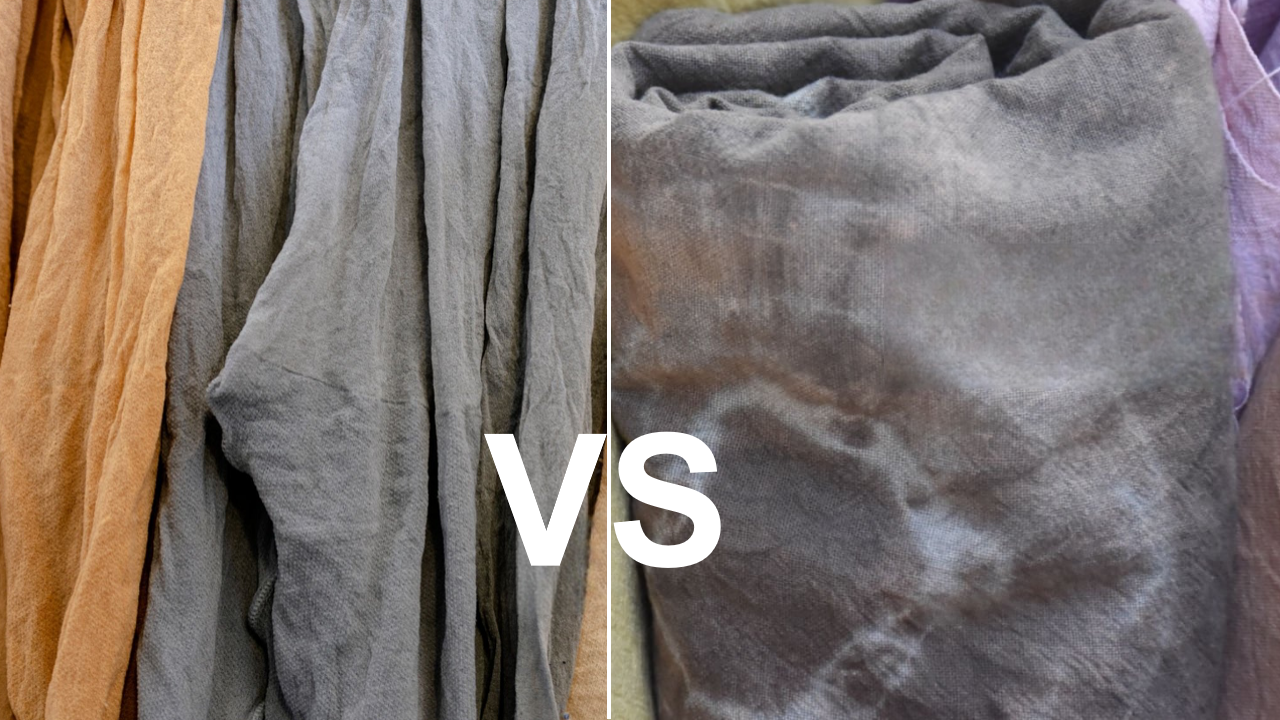
Verdict: High-quality textile dyeing prefers Na₂SO₄. NaCl is only acceptable for basic products with low fastness requirements.
Pulp & Paper: Indispensable in the Kraft Process
Sodium sulfate replenishes sulfidity and effective alkali in kraft pulping. It is reduced to sodium sulfide, which breaks down lignin. Without it, the cooking liquor chemistry fails.
Sodium chloride is almost ineffective. It does not generate the required sulfide ions, and chloride ions accelerate corrosion of recovery boilers while reducing pulp brightness.

Verdict: Kraft mills must use thenardite; sodium chloride cannot substitute.
Glass Manufacturing: Fining Agent vs. Contaminant
Salt cake is a high-temperature fining agent. It decomposes to release SO₂ gas, helping remove bubbles from molten glass. It also adjusts the redox state, reducing the need for coloring agents like selenium or cobalt.
Sodium chloride volatilizes to produce HCl gas, corroding furnace refractories and shortening furnace life. Residual chloride can cause “bloom” or reduce chemical durability.

Verdict: High-quality glass (container glass, flat glass) uses disodium sulfate. Industrial salt is strictly prohibited.
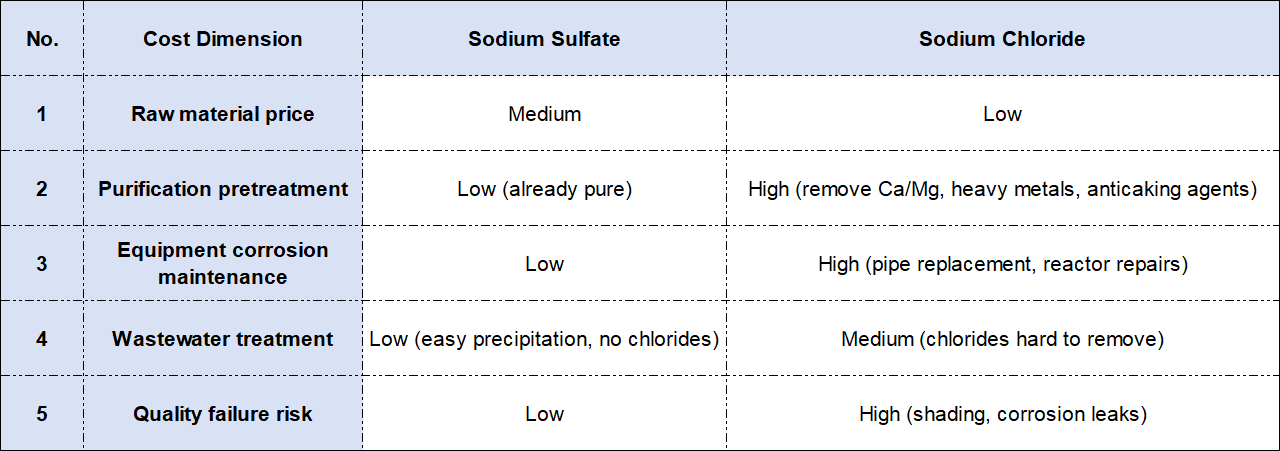
Cost & Procurement: Beyond Unit Price
Many buyers compare only the price per ton. The true cost includes much more
Simple decision guide
If your process is sensitive to chloride (stainless steel equipment, premium dyeing, fine chemicals) → choose sodium sulfate (thenardite/salt cake).
If your process tolerates chloride (certain crude salt baths, refrigerant production) → sodium chloride may be a lower-cost option.
When in doubt → choose Na₂SO₄ – its risks are far lower.
Conclusion: Make an Informed Choice
Thenardite and sodium chloride each have their place. As a responsible manufacturer, we advise against blindly “saving cost” by replacing salt cake with chloride unless validated by rigorous pilot tests.

What we offer
Industrial-grade sodium sulfate anhydrous with purity ≥ 99.0%, exceeding national standards.
Customizable particle sizes (20, 40, 80, 120 mesh, etc.).
COA with every batch: including chloride content analysis. Our latest batch tested at 0.1% chloride, well below the industry standard maximum of ≤0.7%, and far lower than the tolerance threshold of most processes.
Free technical support: we help you evaluate whether your current process can tolerate chloride, or how to optimize your thenardite dosage.
Contact our engineers for COA or a consultation. We will reply within 24 hours with comparative data specific to your application.